



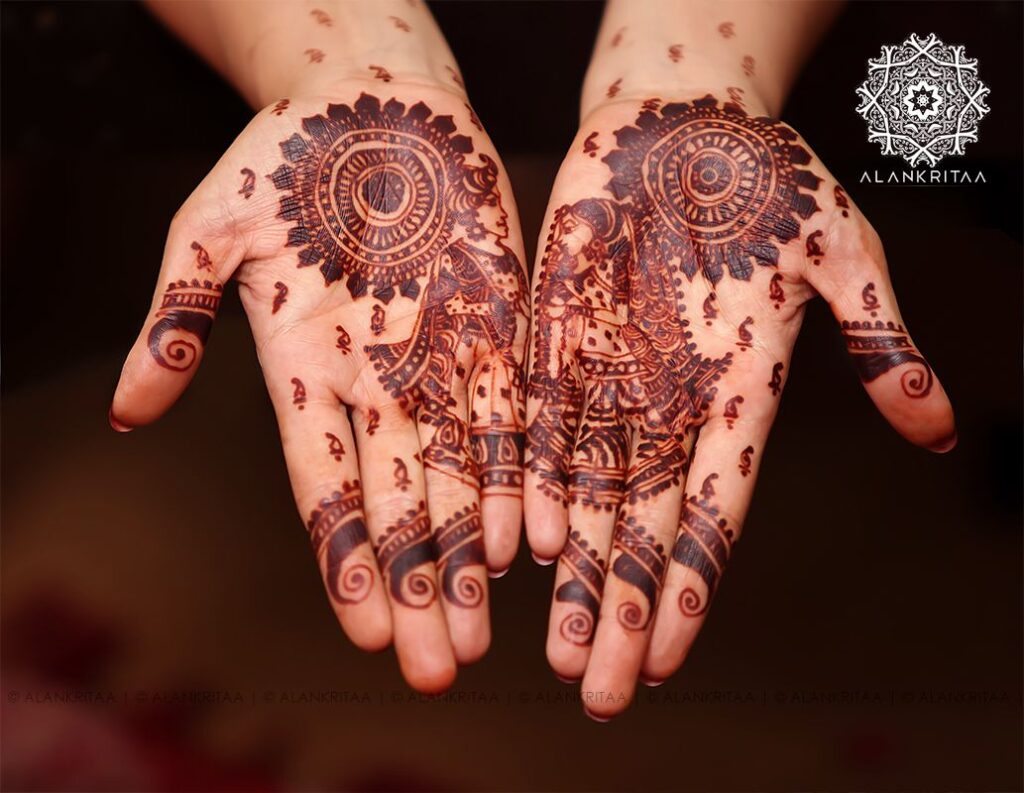
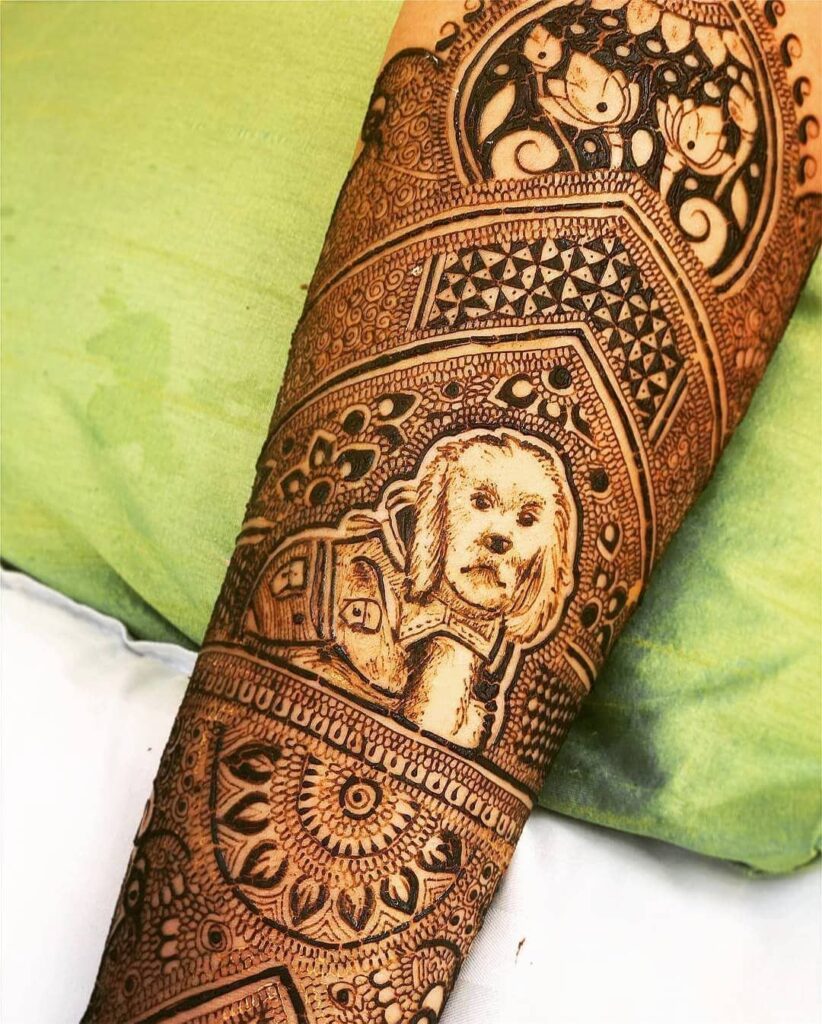
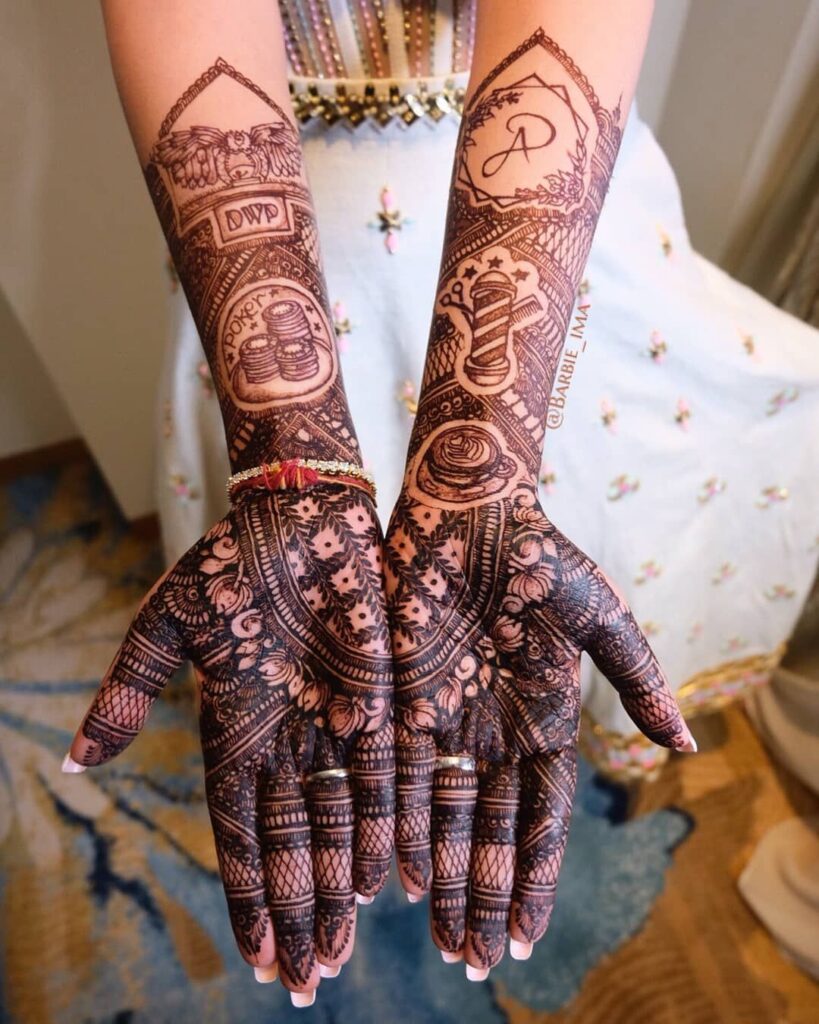
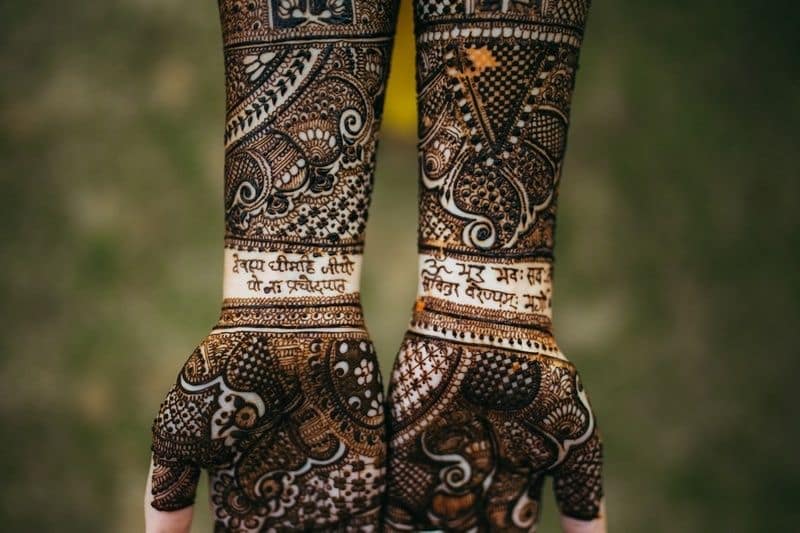
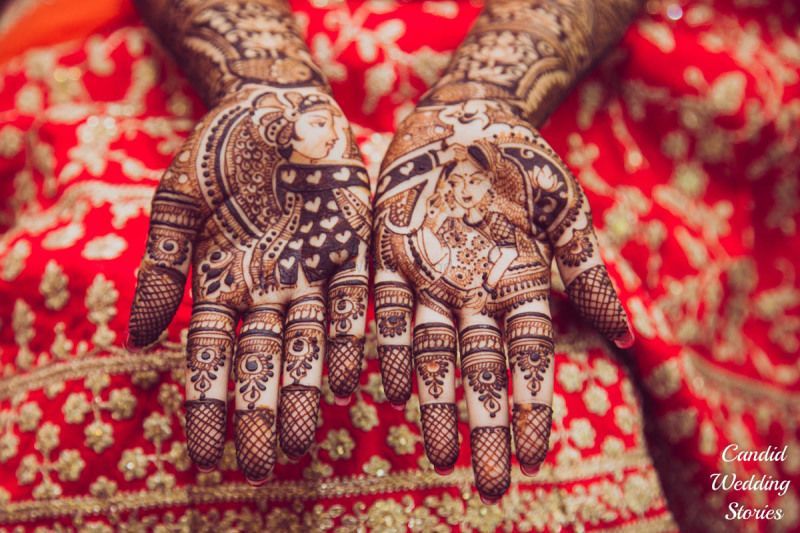
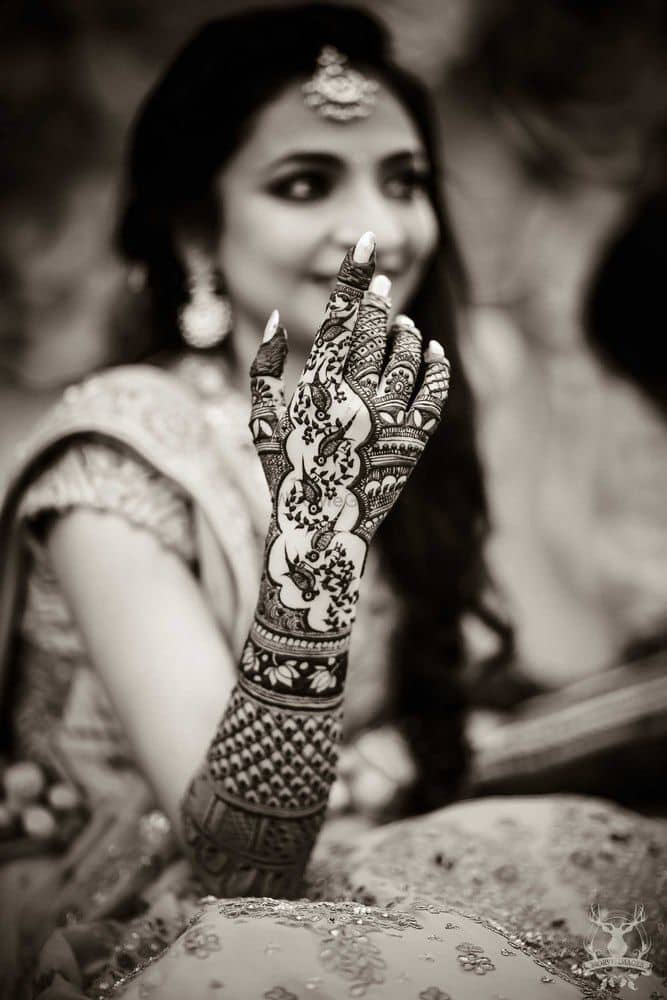
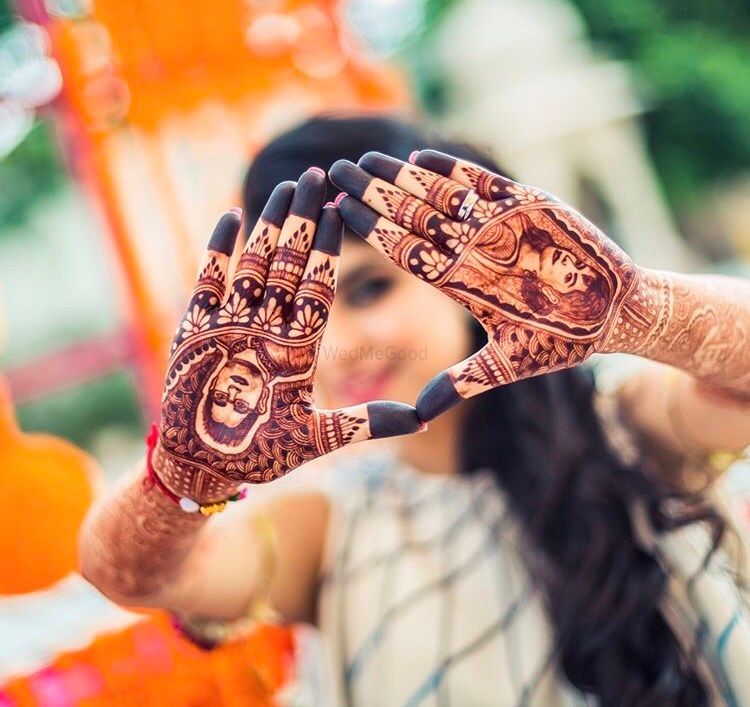
Mehndi, also known worldwide as henna, is a paste that is often associated with luck and positivity. It is one the oldest forms for body art that humans have created. This paste is used to decorate the feet and hands of girls and women on special occasions. Mehendi is a favorite way for girls to indulge in the celebrations, whether it’s weddings, festivals such as Diwali, Bhai Dooj and Teej, or Eid. Some women love the mehendi’s delicate scent, while others love to have their hands decorated with intricate and beautiful mehendi designs. As technology has improved, mehendi is now also available for men.
To decorate someone’s body, Mehendi paste is made from powdered dried leaves of the henna plants. After drying in the sun, the leaves are ground into a fine, mossy-green powder. The leaves are then combined with enough water, lemon juice, and a few drops eucalyptus oils to make a smooth paste. After the paste has been soaked for at least an hour, it is poured into a cone and allowed to set for a few hours before being used. The Sanskrit term ‘Mendhika‘, which refers to the henna plant, is also the original source of the name ‘Mehendi.
Women often decorate their feet and hands with mehendi designs, as mentioned earlier. This natural paste is now being used to decorate bald scalps by not only men, but also cancer patients. Although the mehendi paste comes in a green colour, the most common colour it leaves on the skin’s skin is brown. With the advancements in mehendi design and techniques, other colours such as white or gold can also be used.
It is interesting to note that henna, also known as mehendi, is also important in many religions. It is a crucial part of 16 adornments, including the Solah Shringar, and of great importance to Hindus.
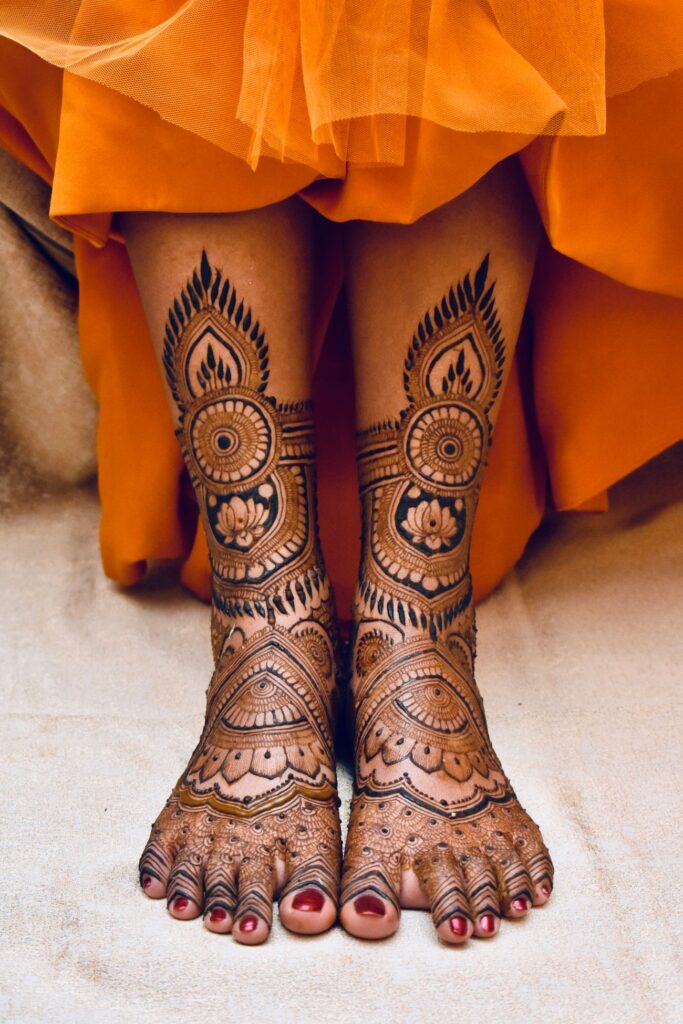
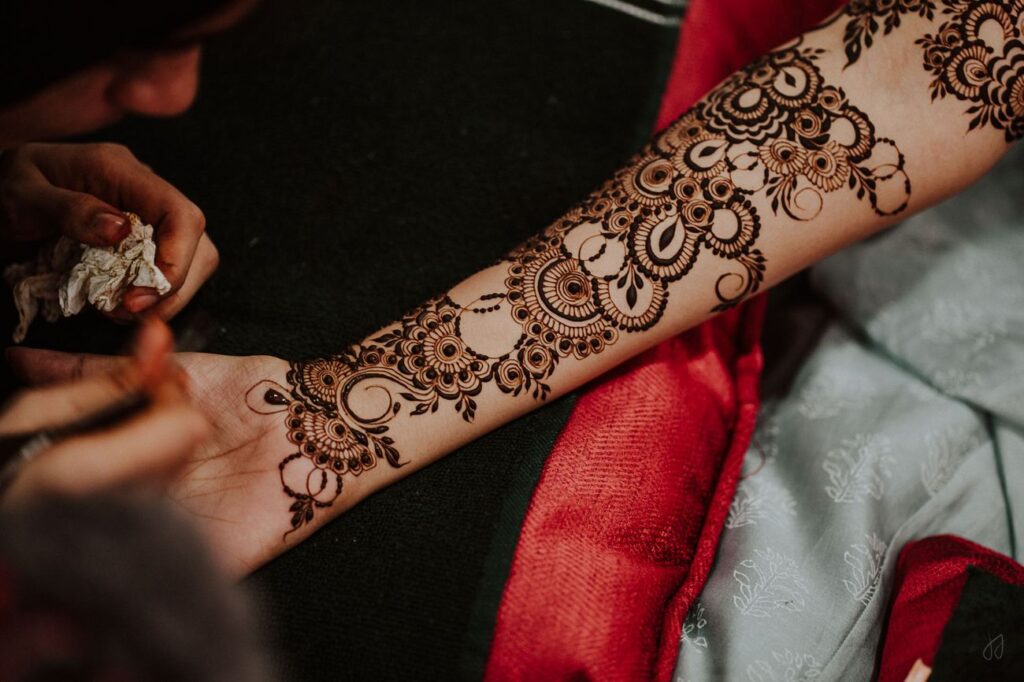
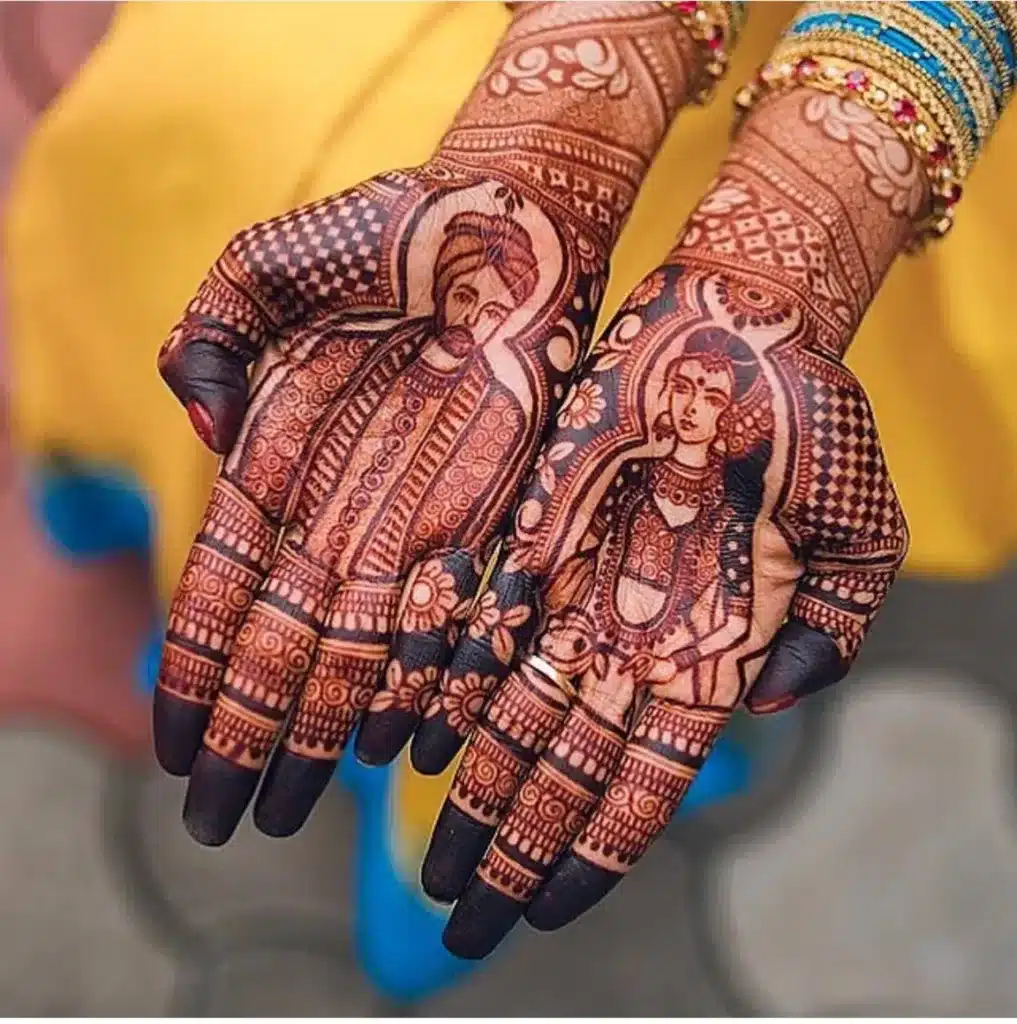
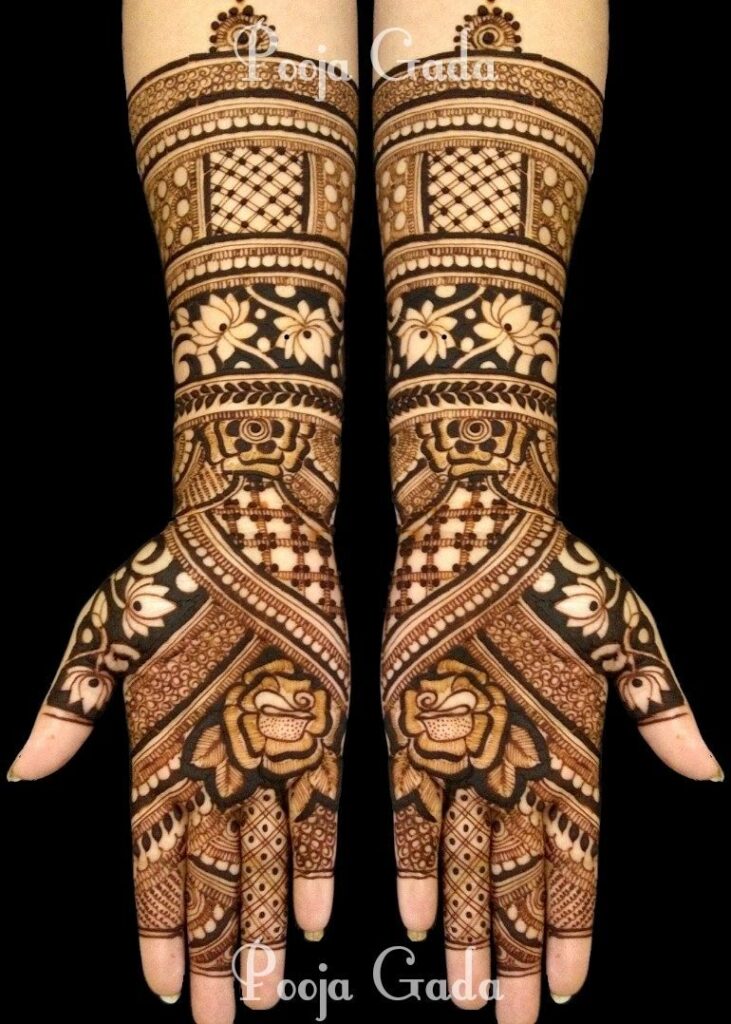
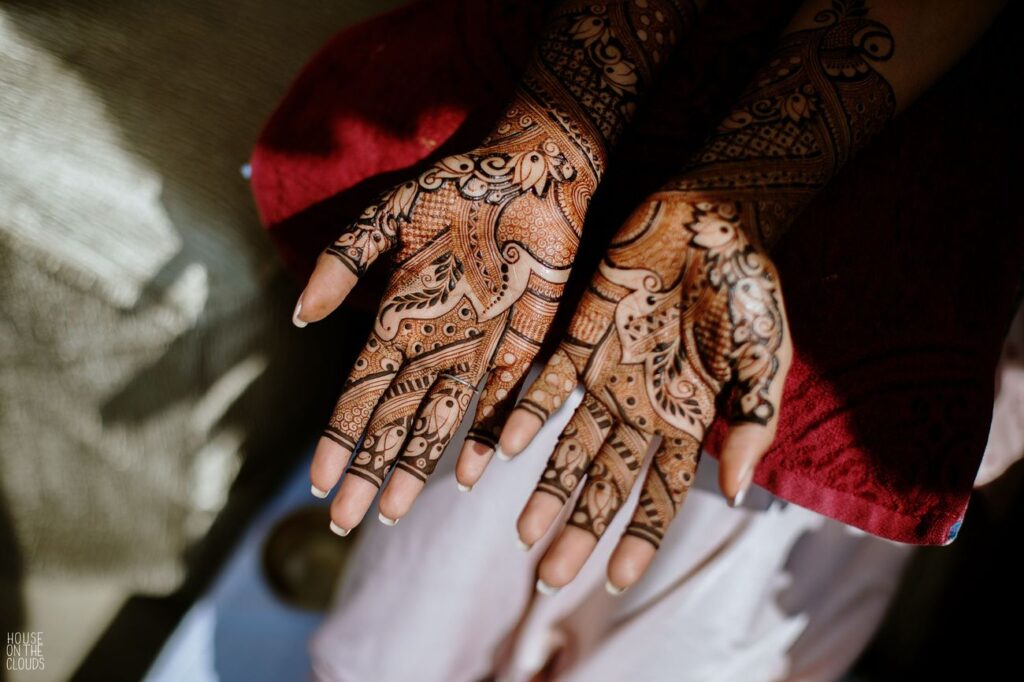
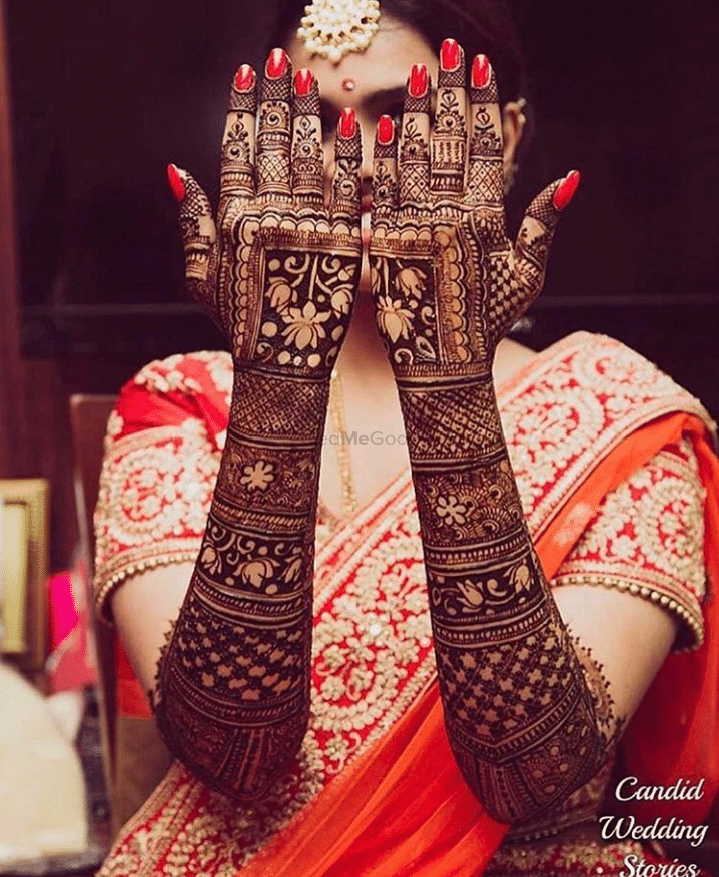
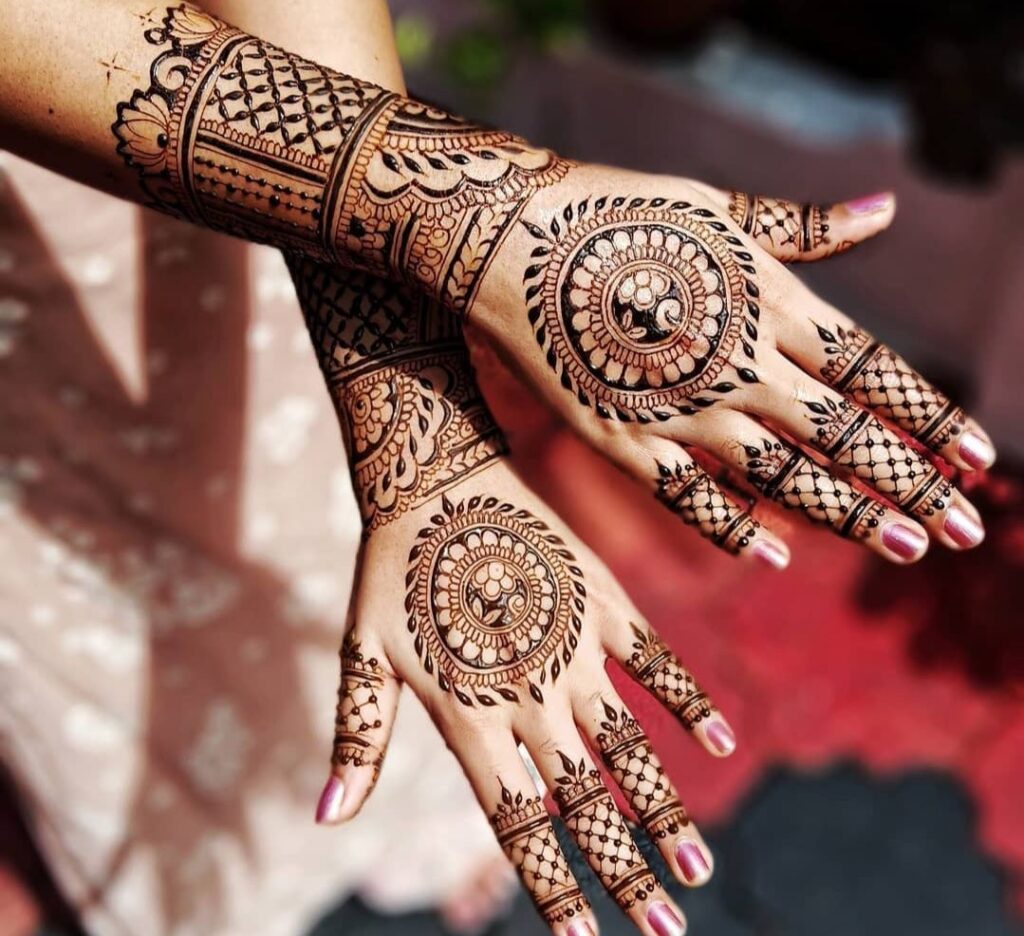
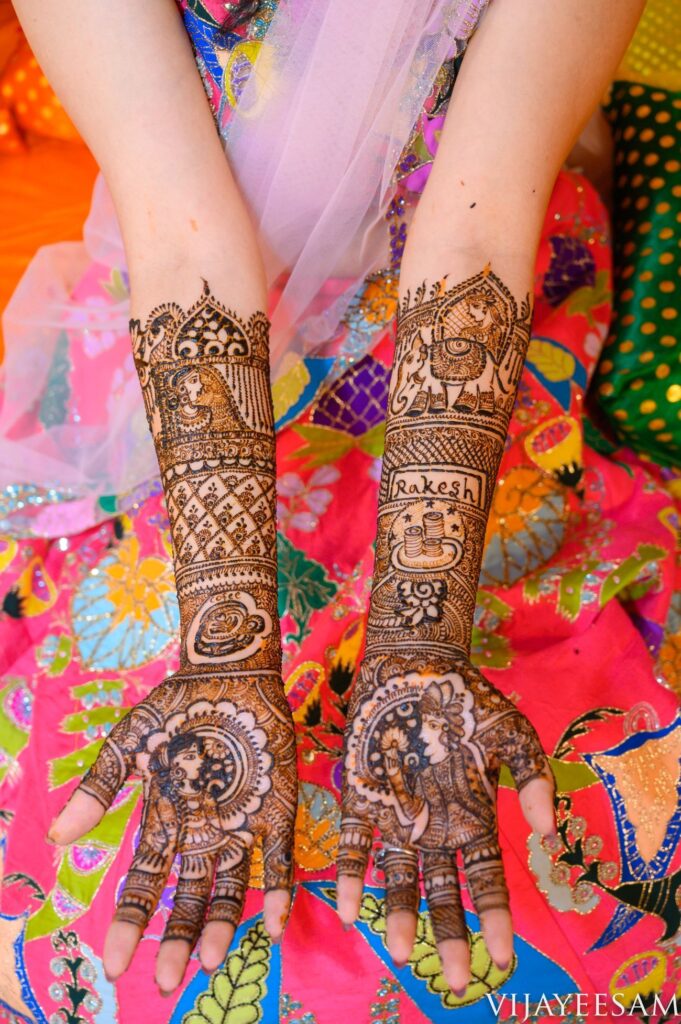
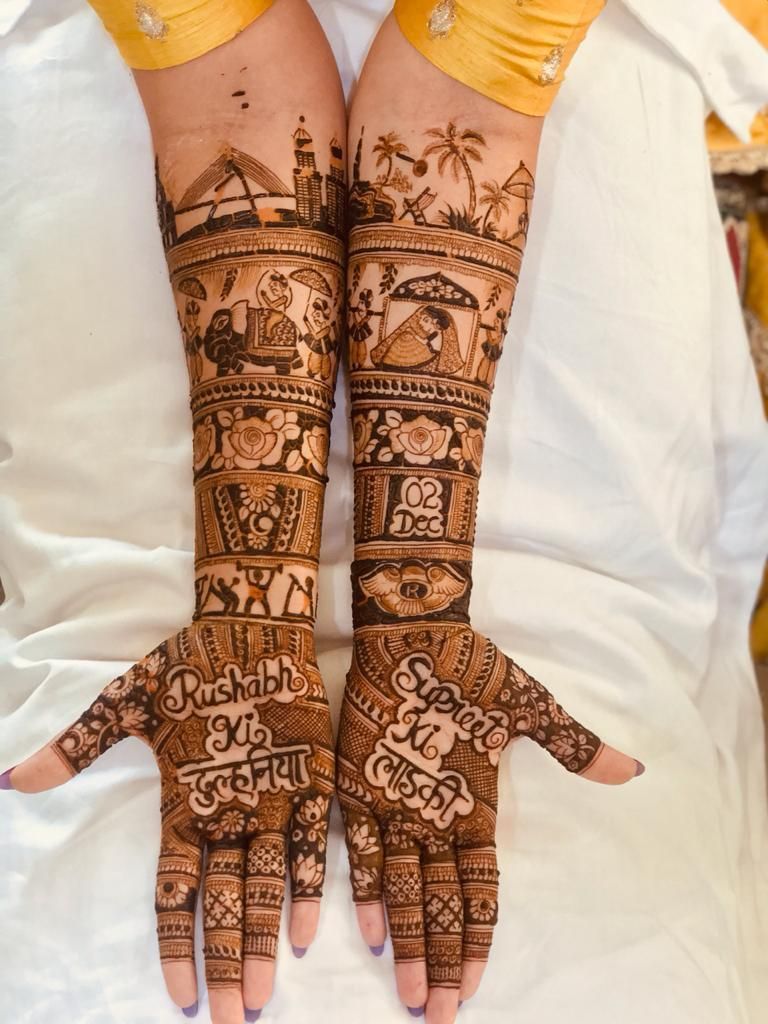
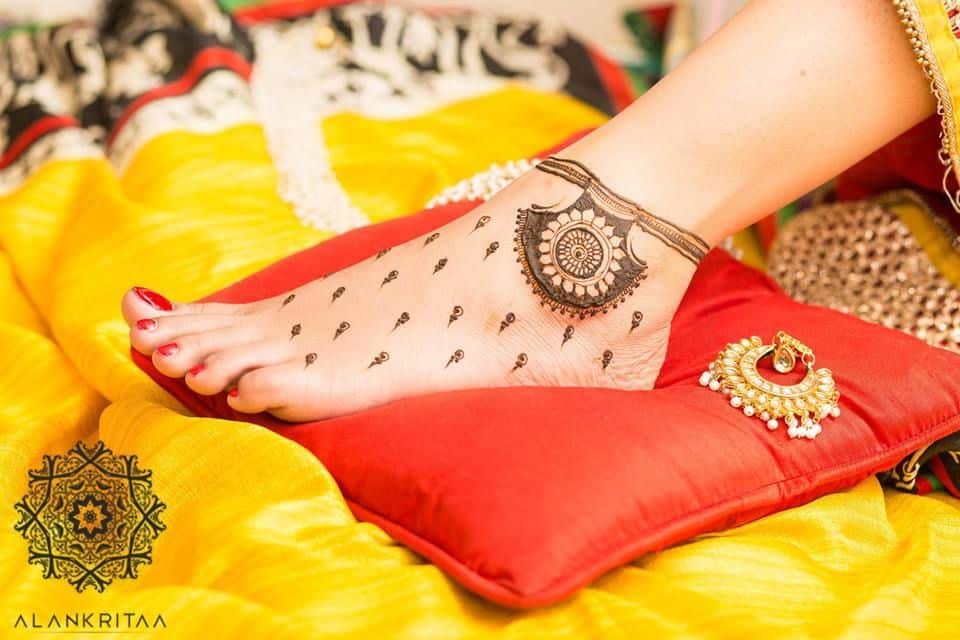
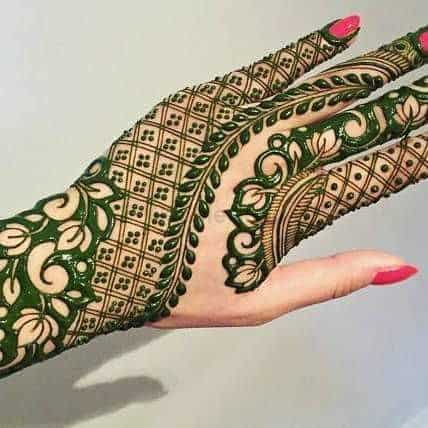
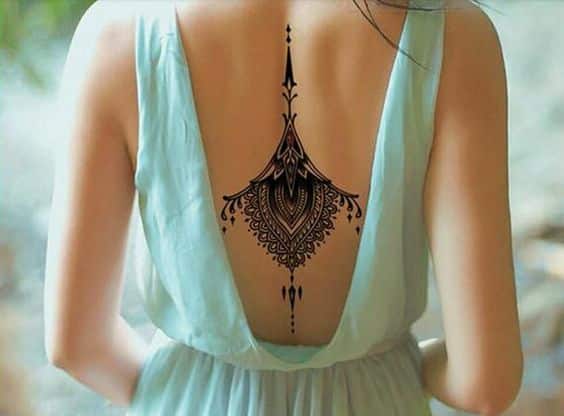
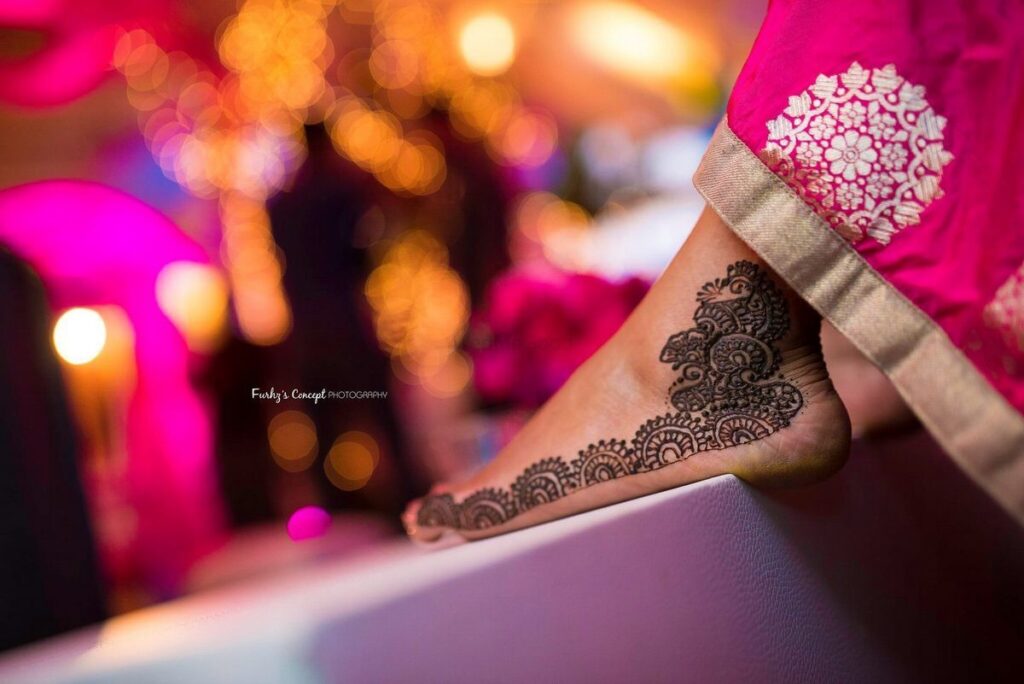
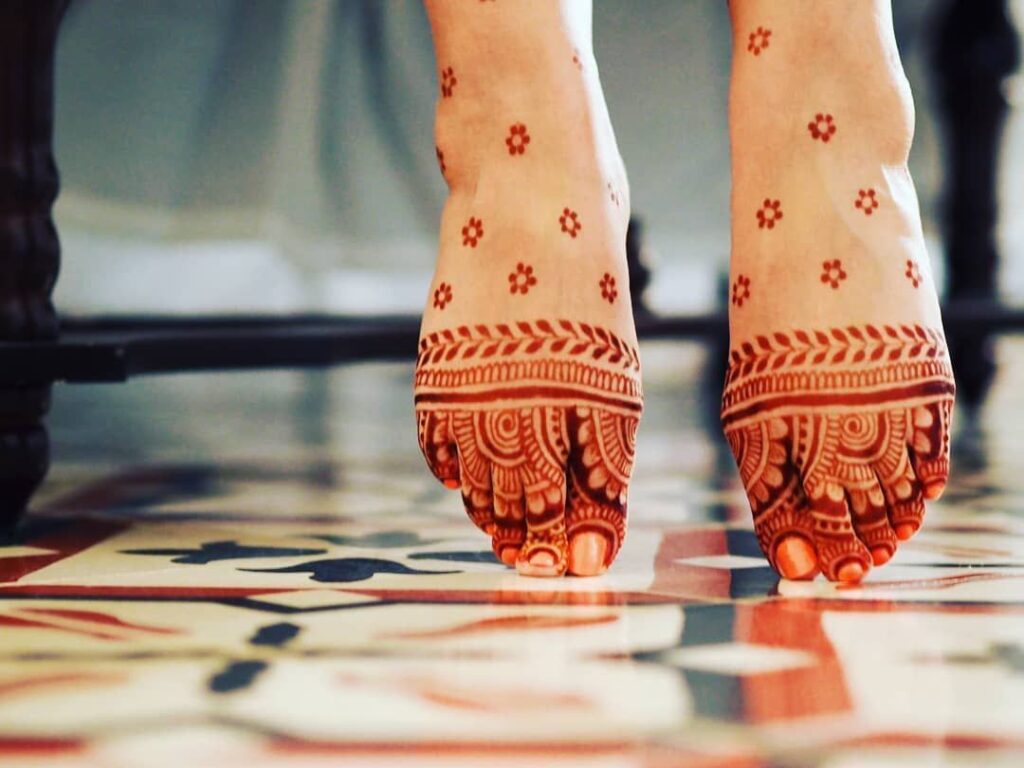
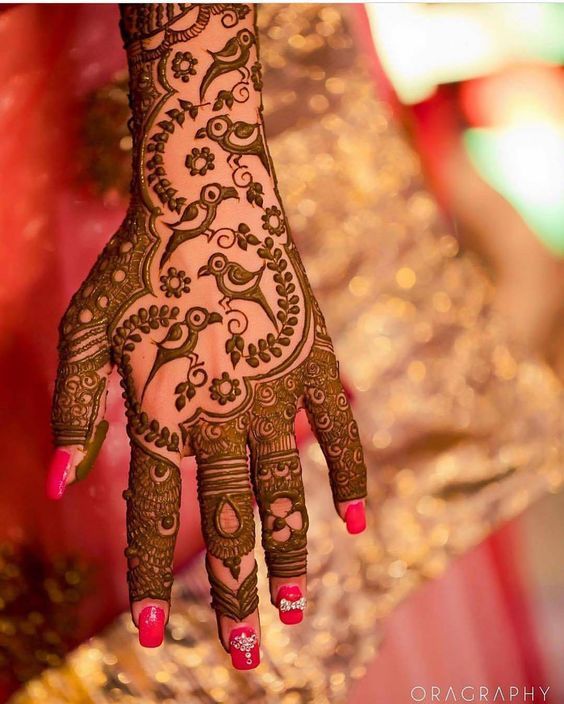
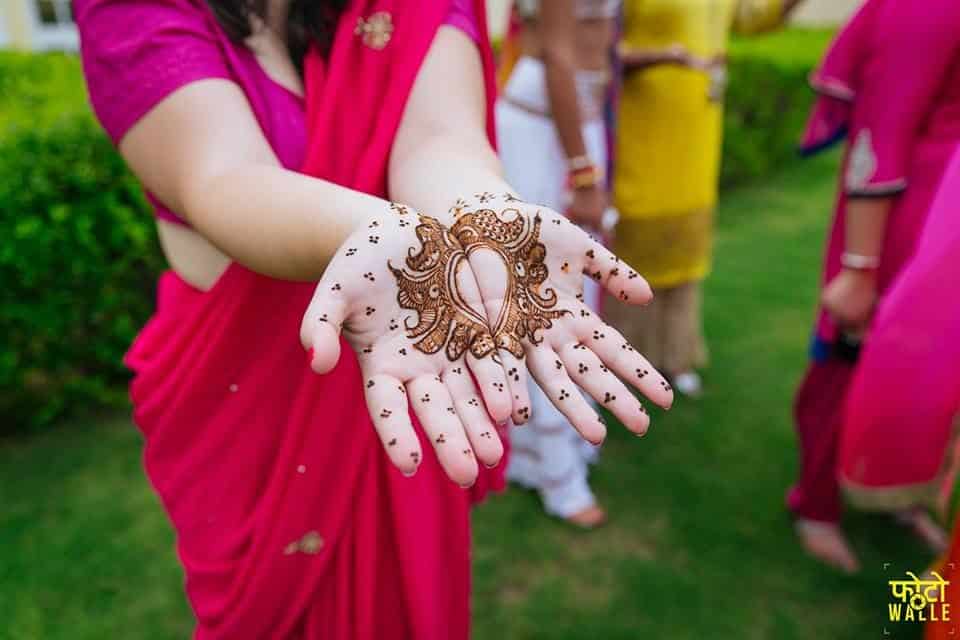
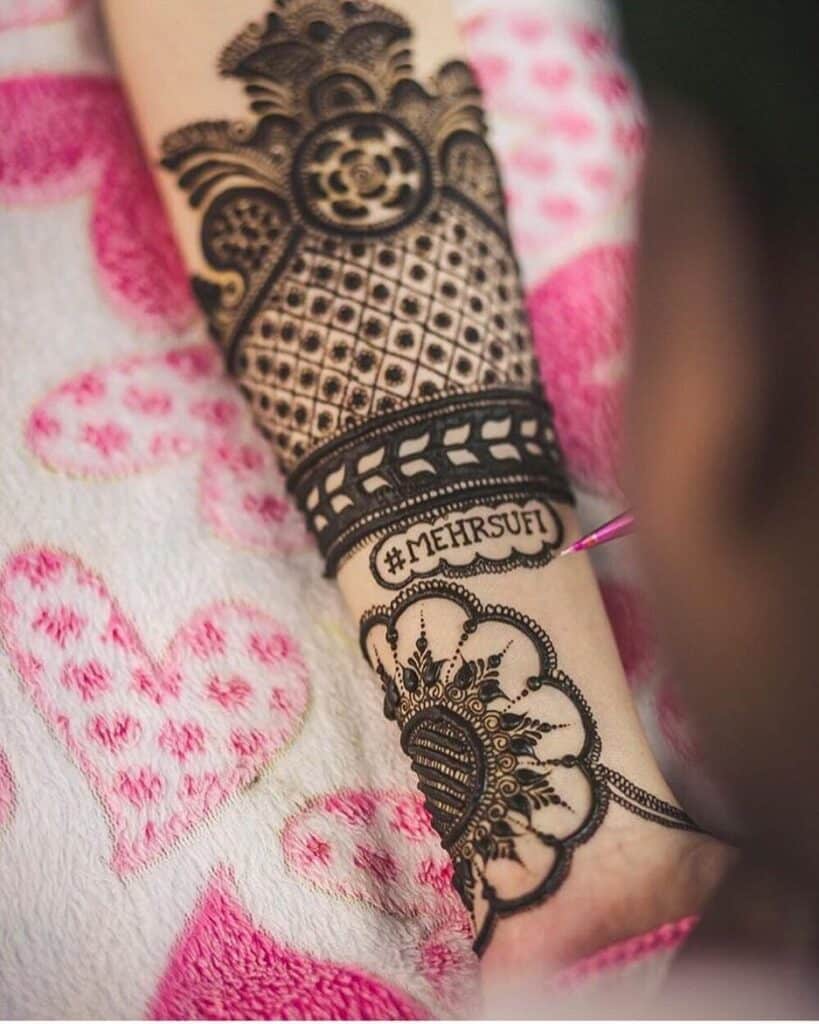
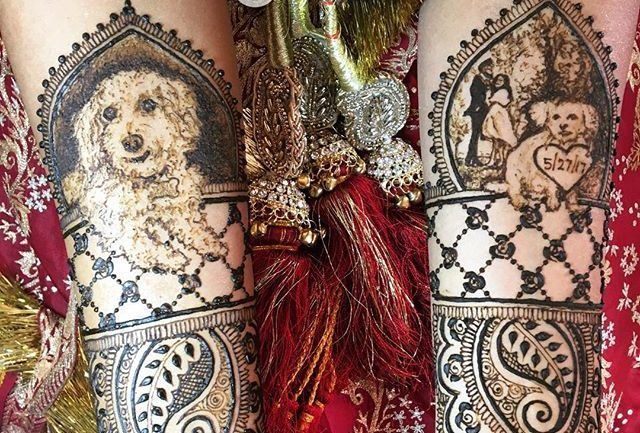
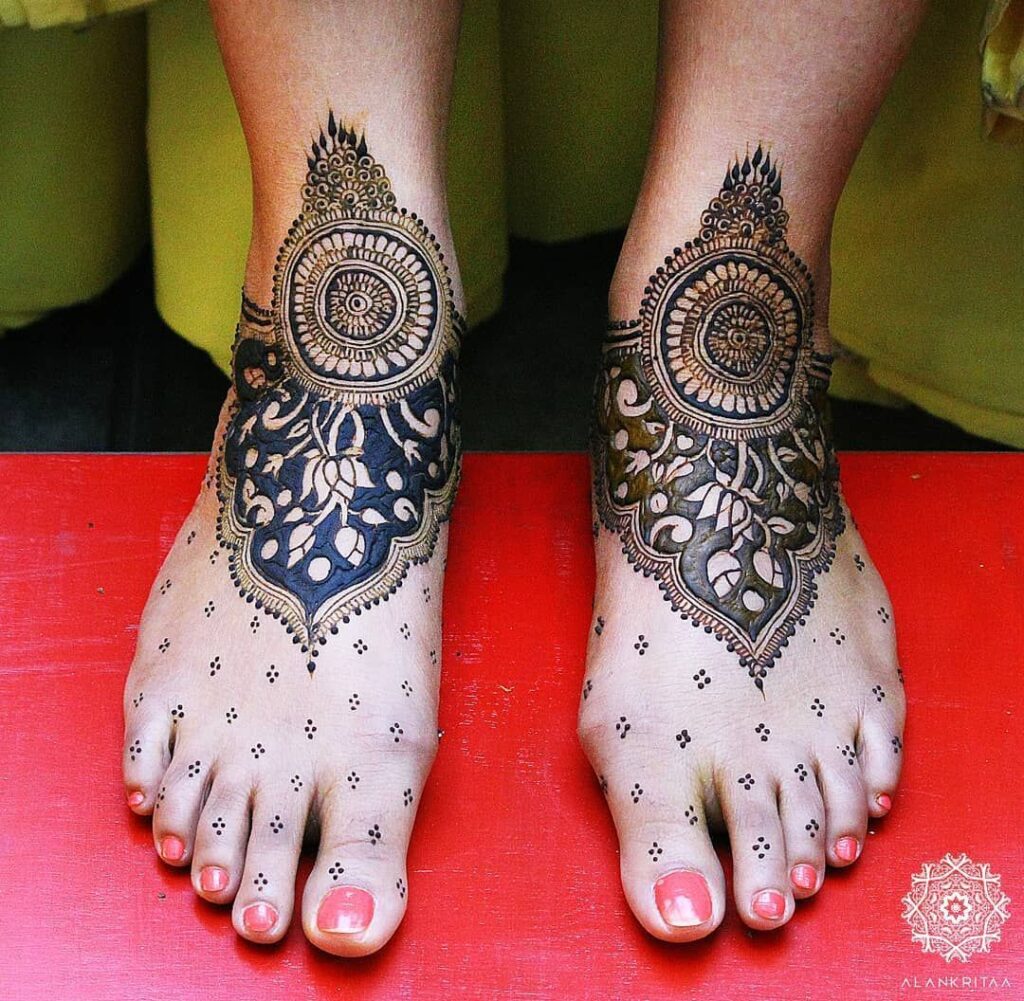
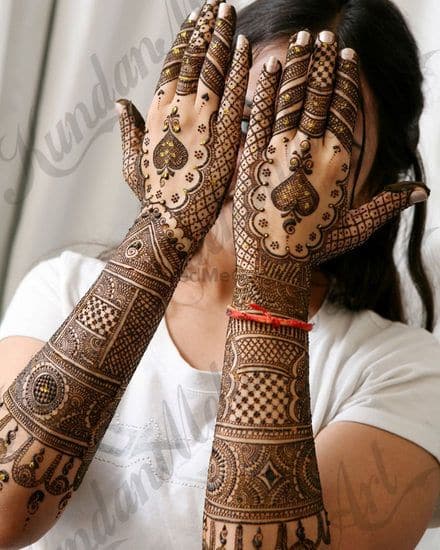
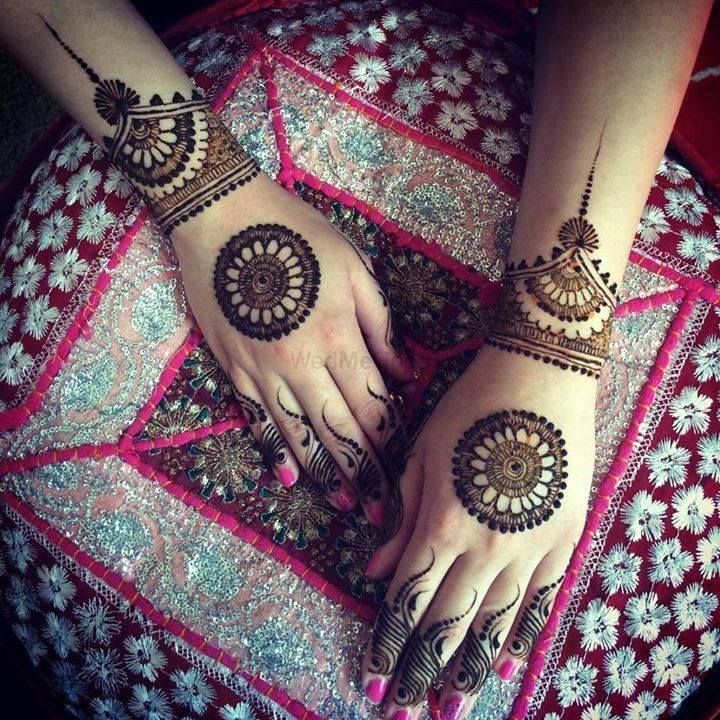
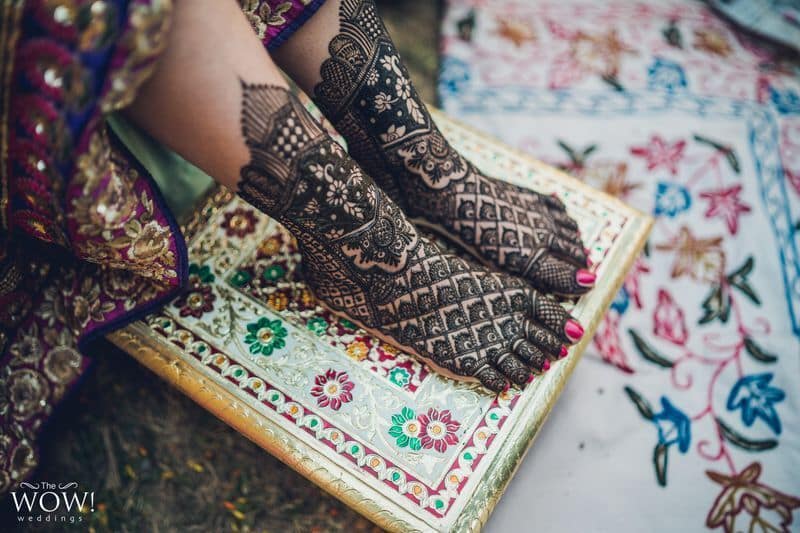
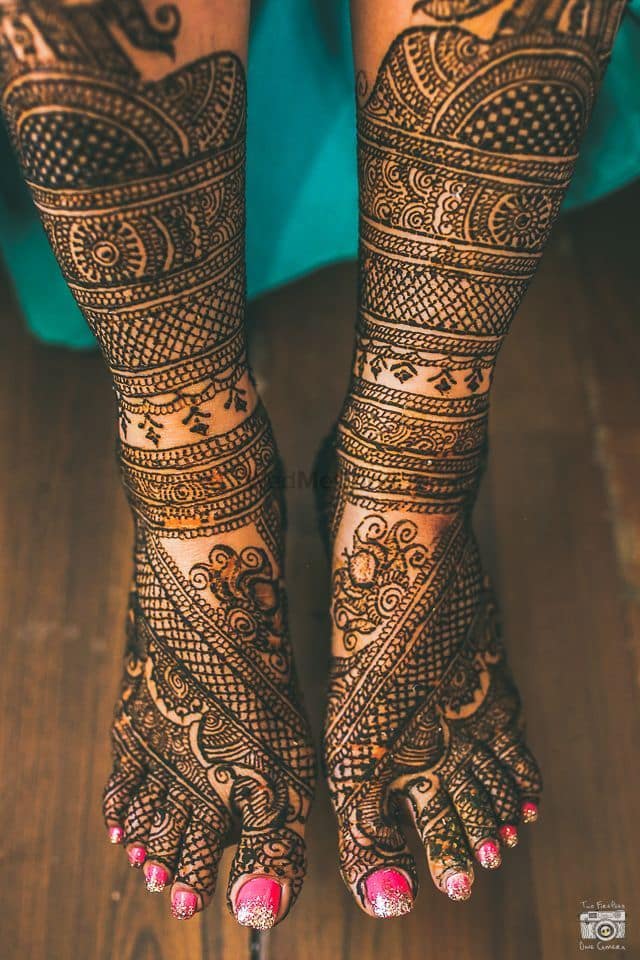
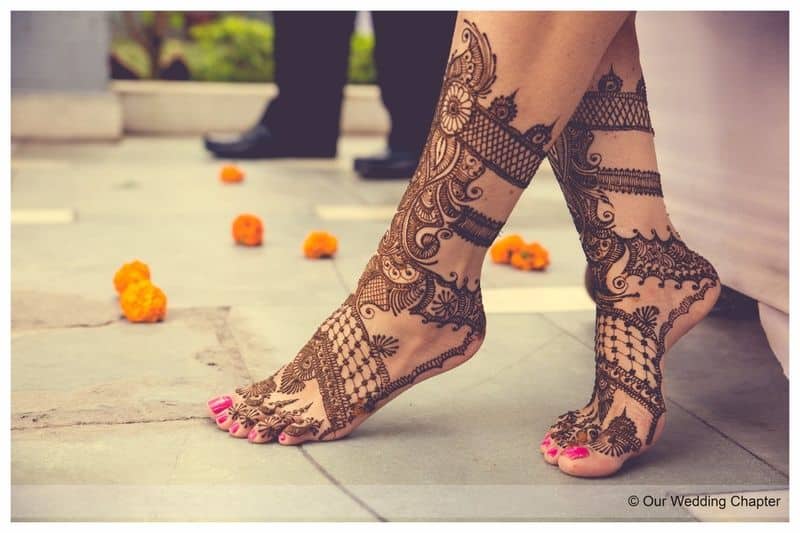
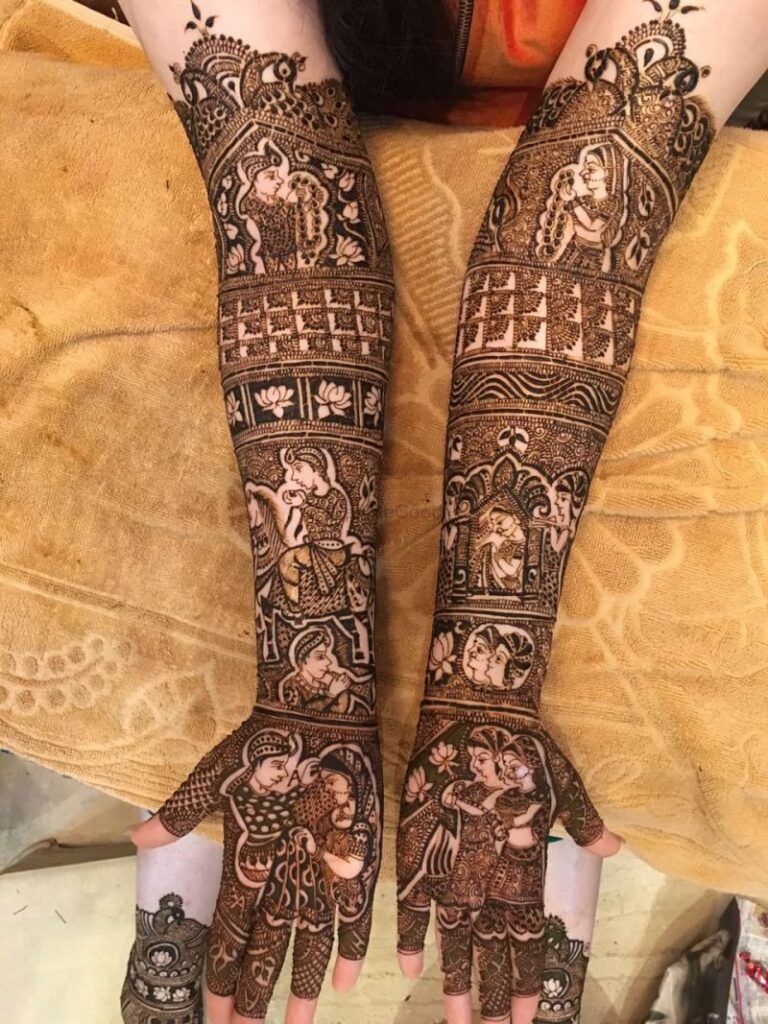
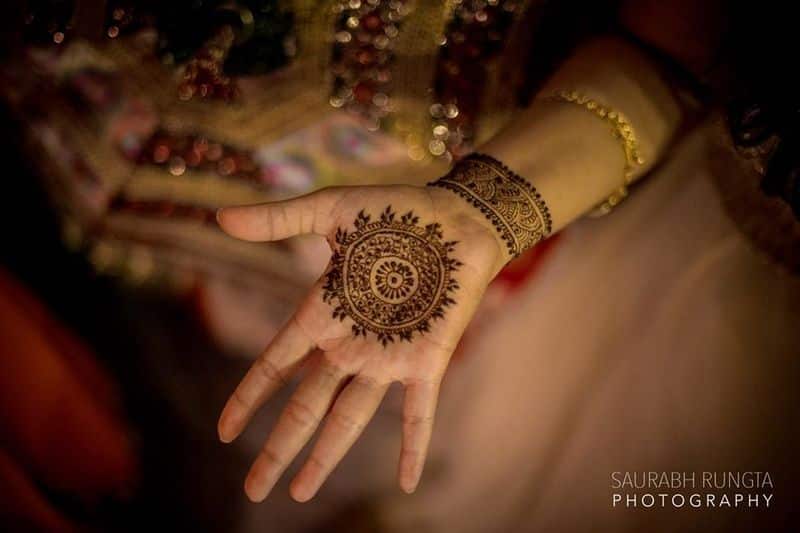
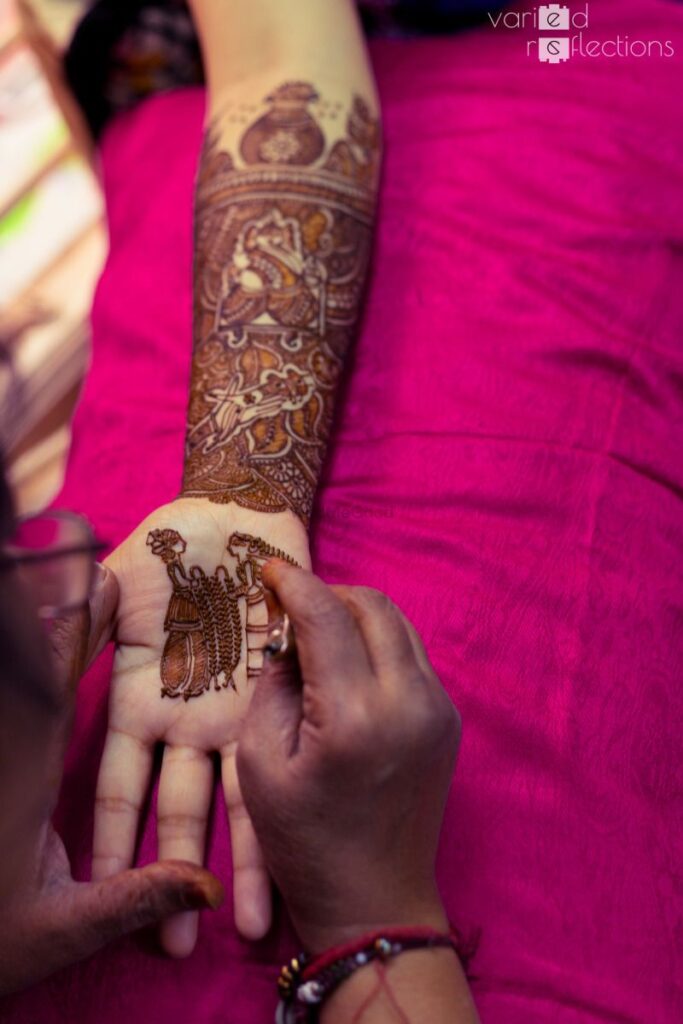
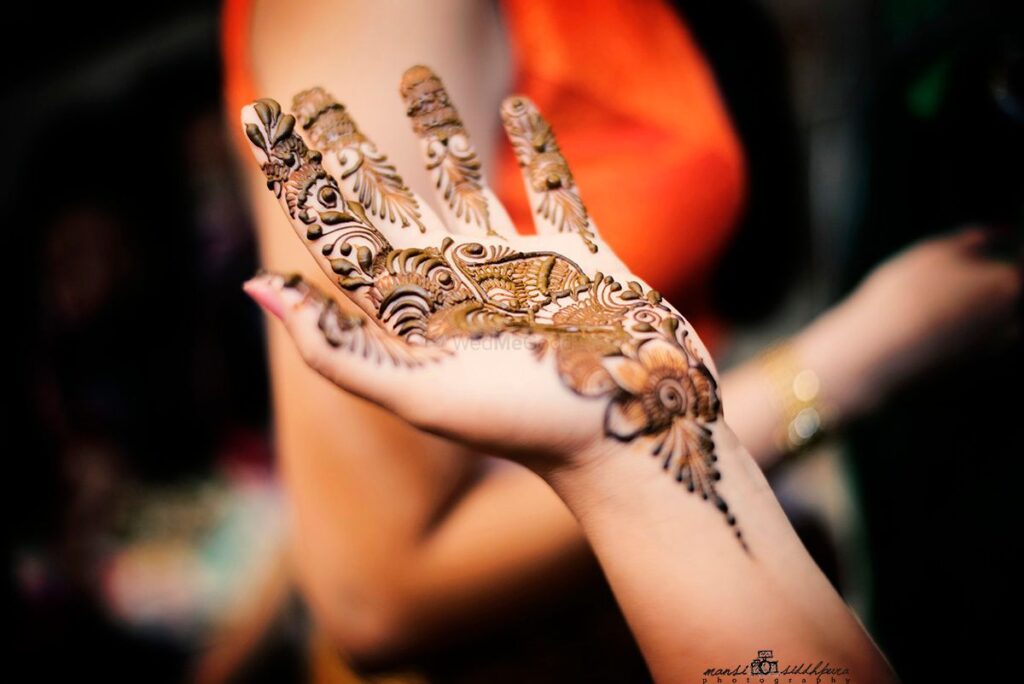
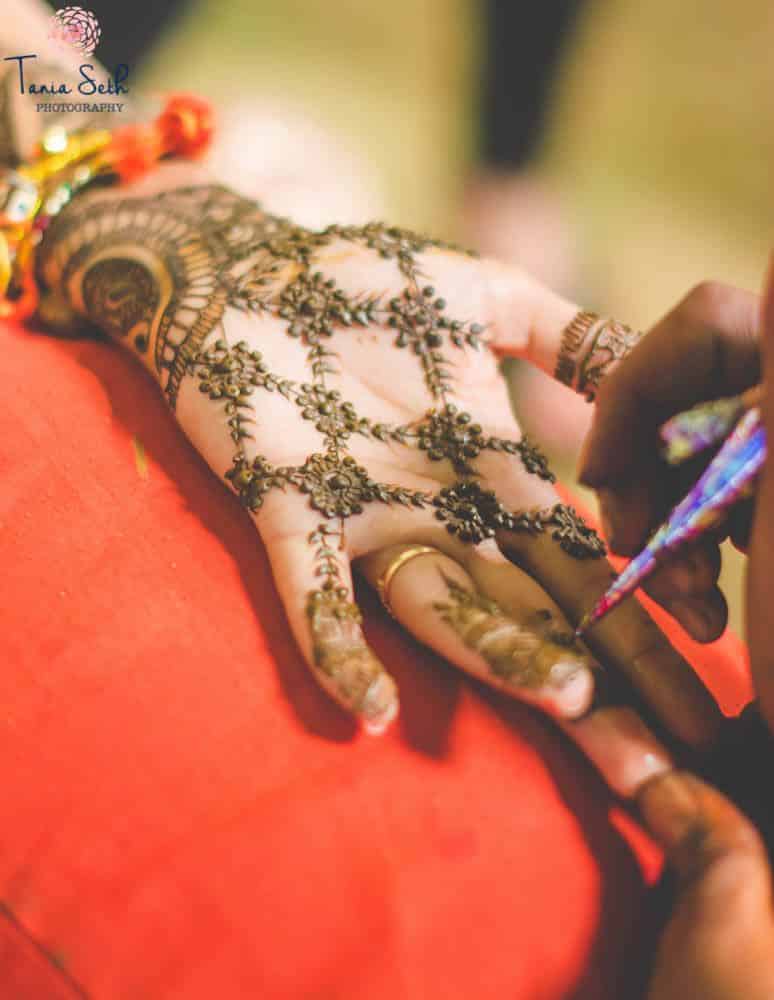
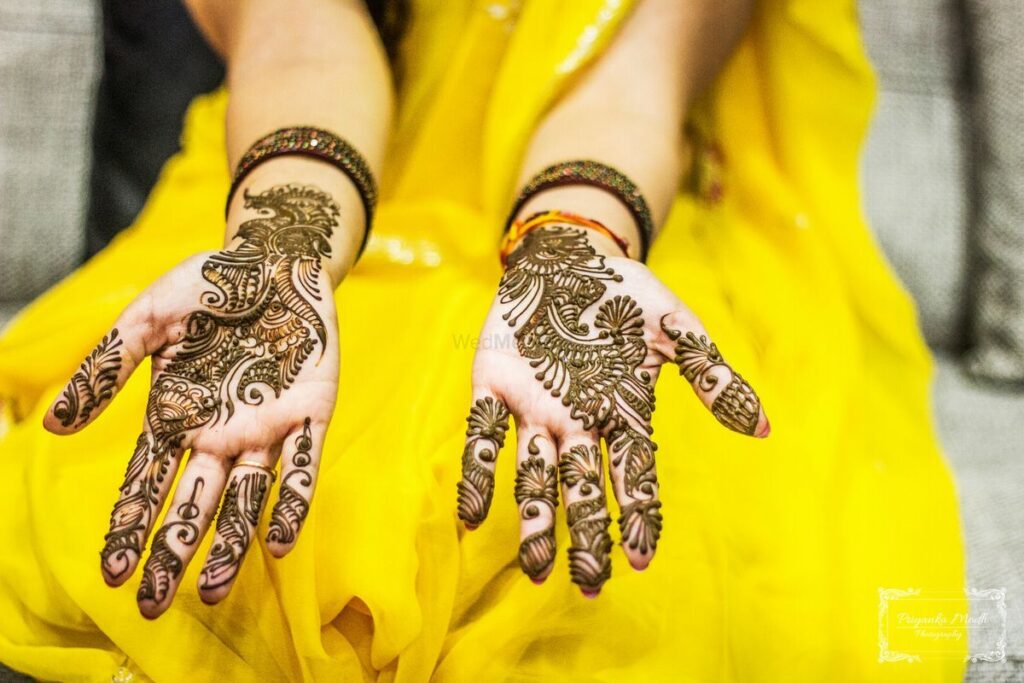
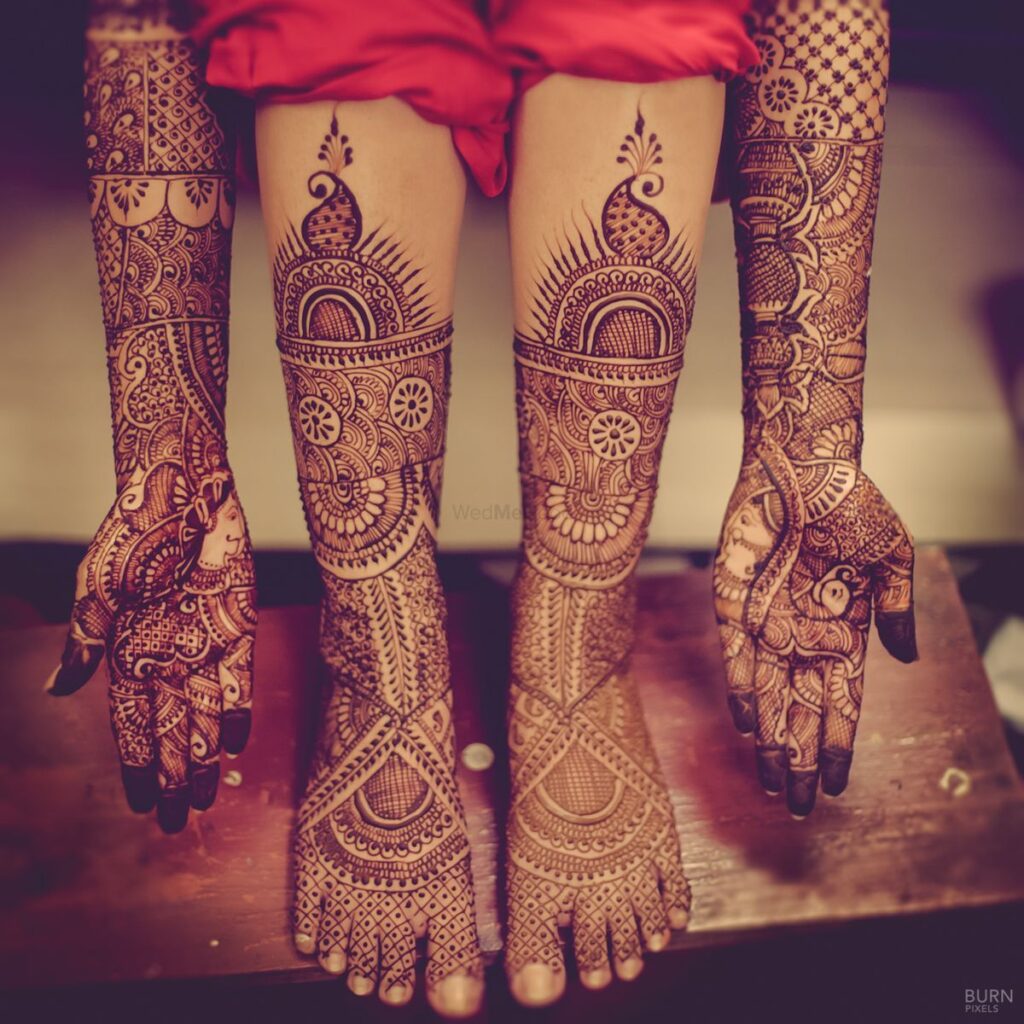
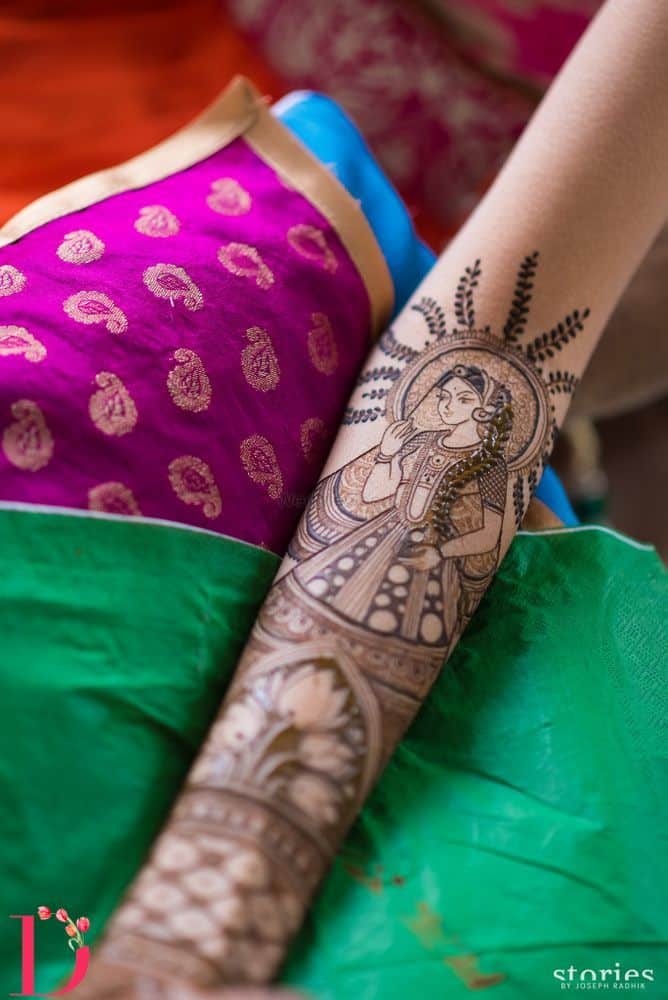
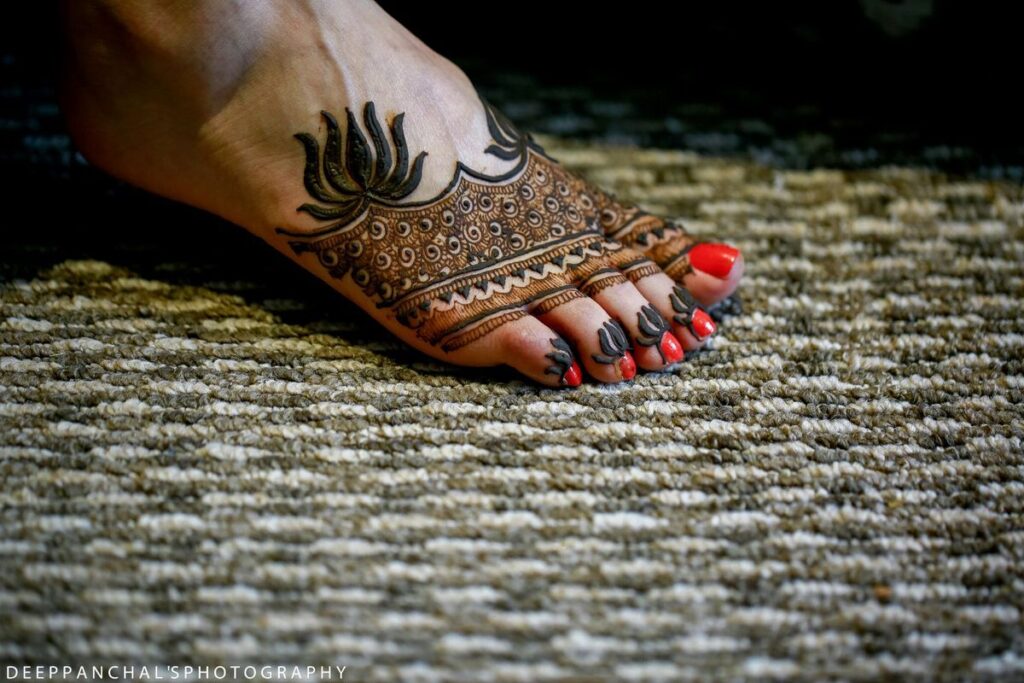
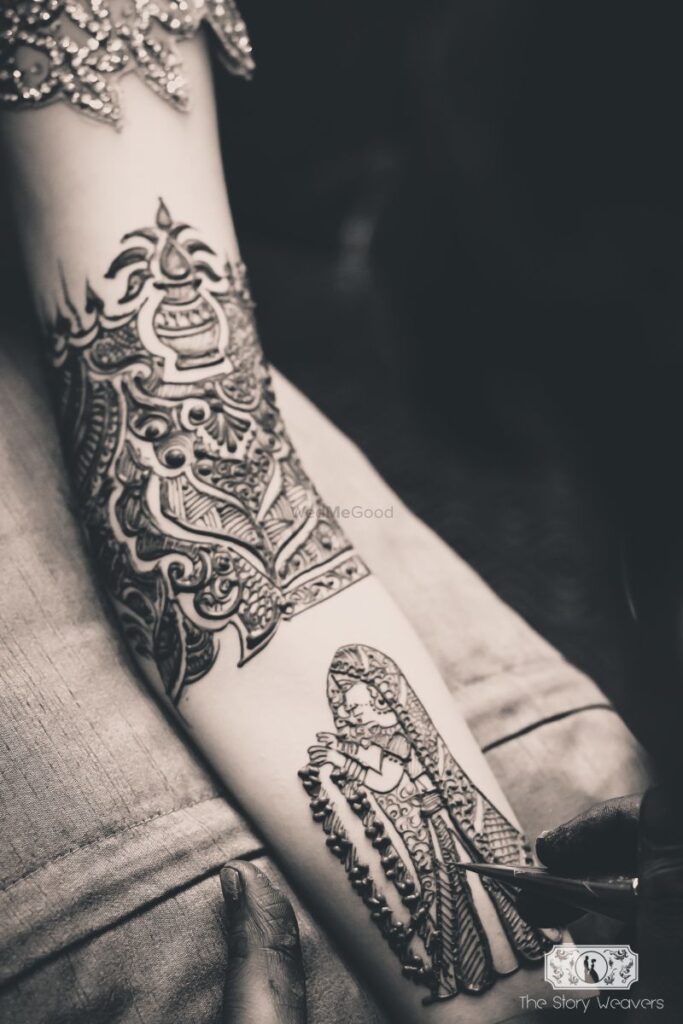
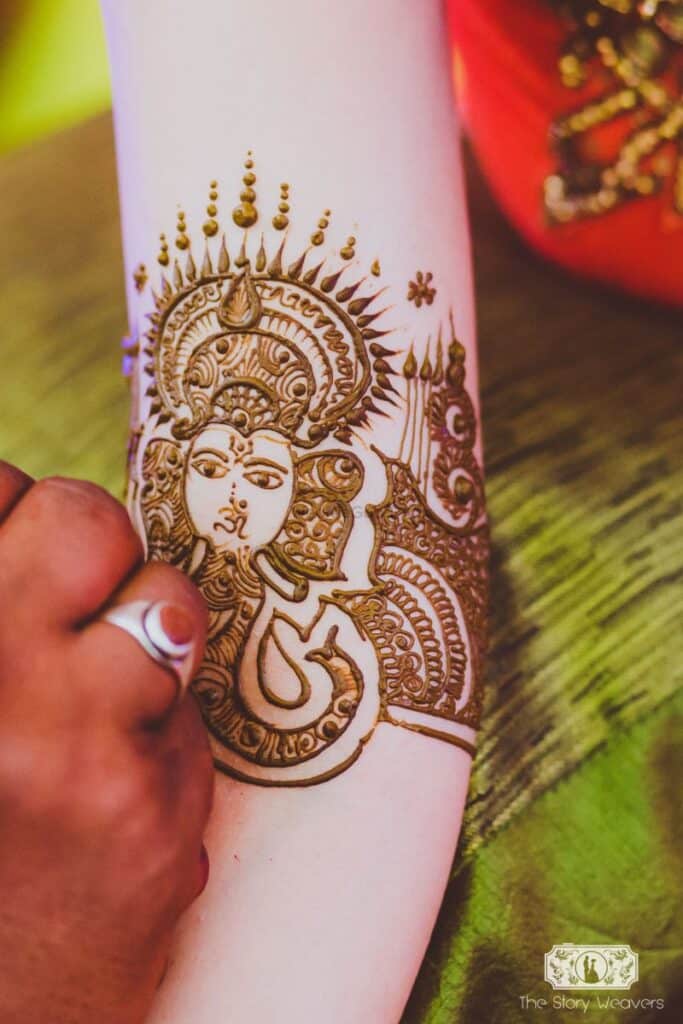
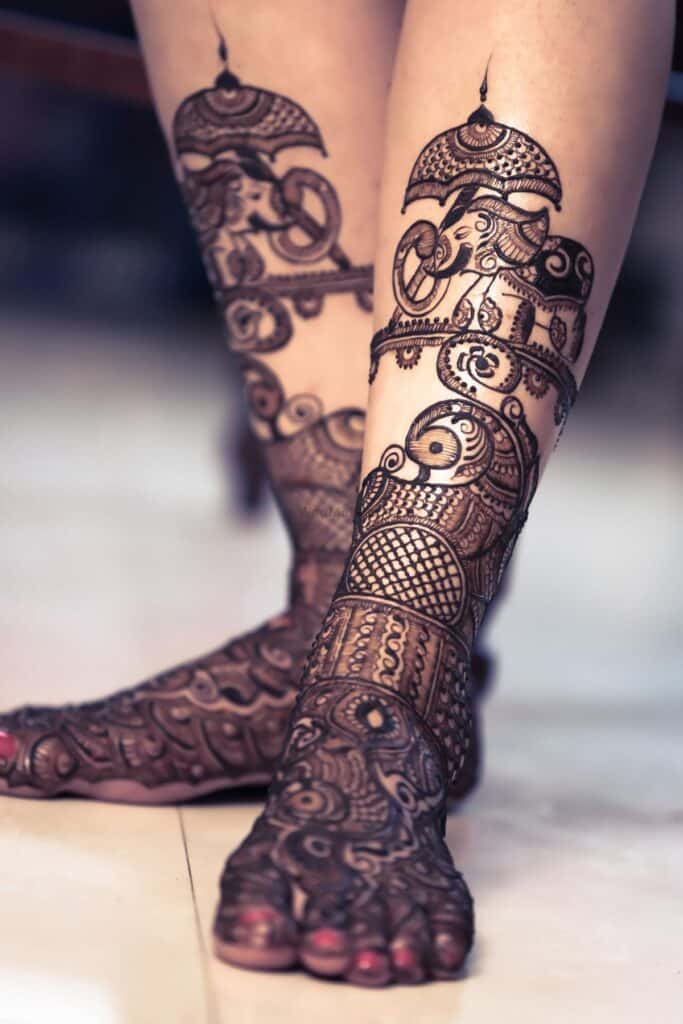
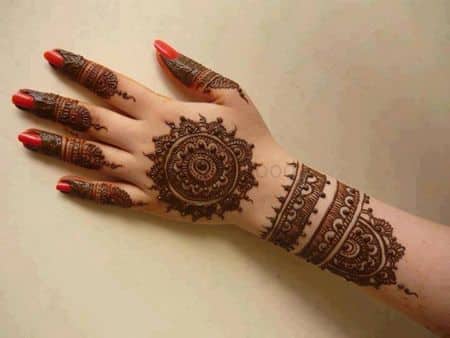
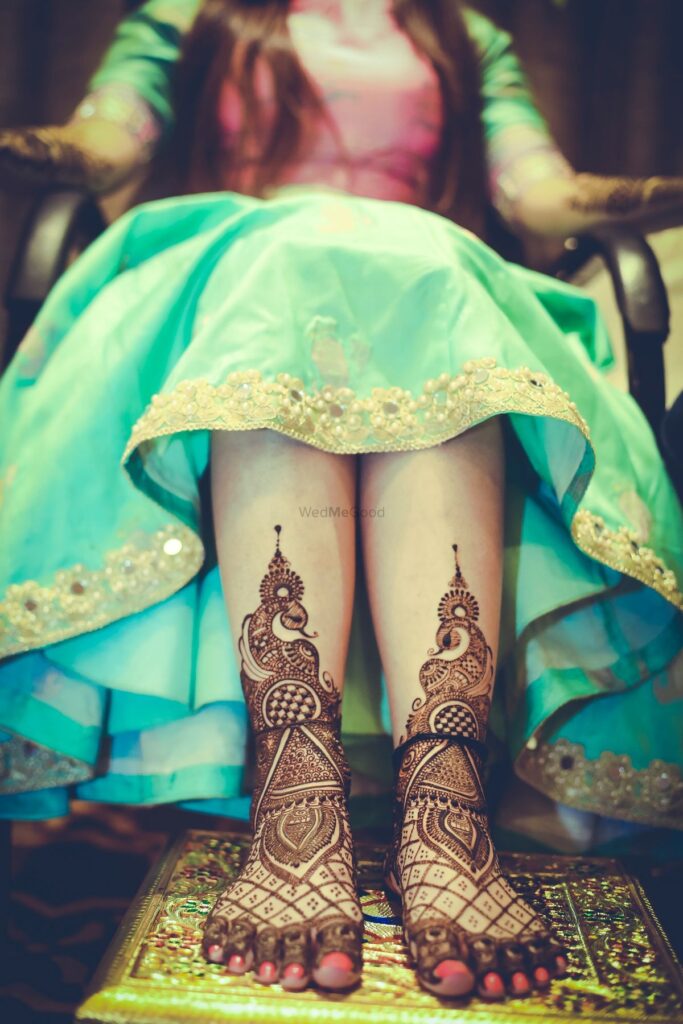
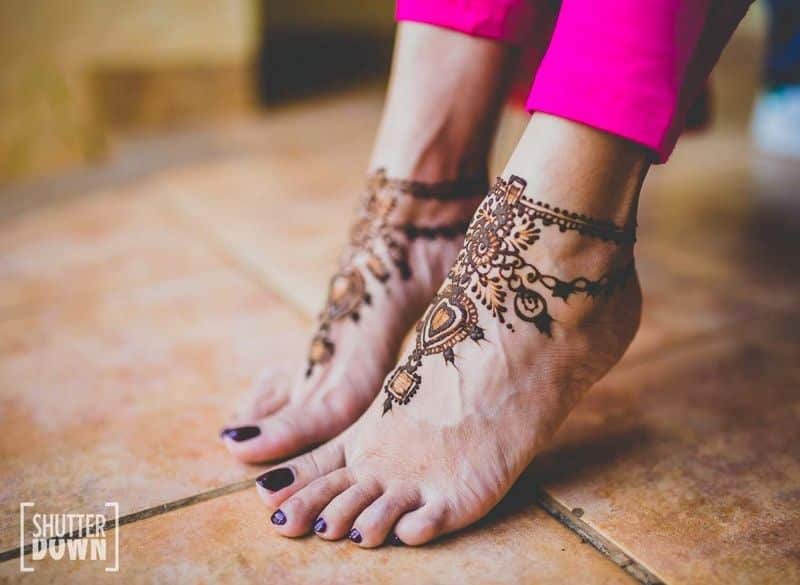
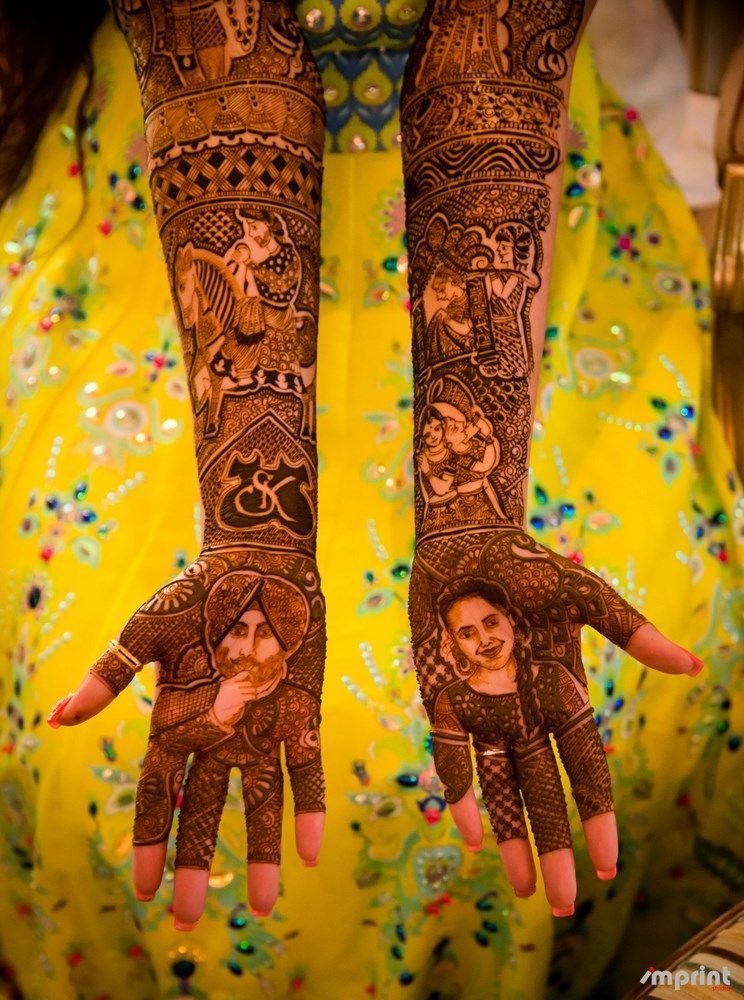
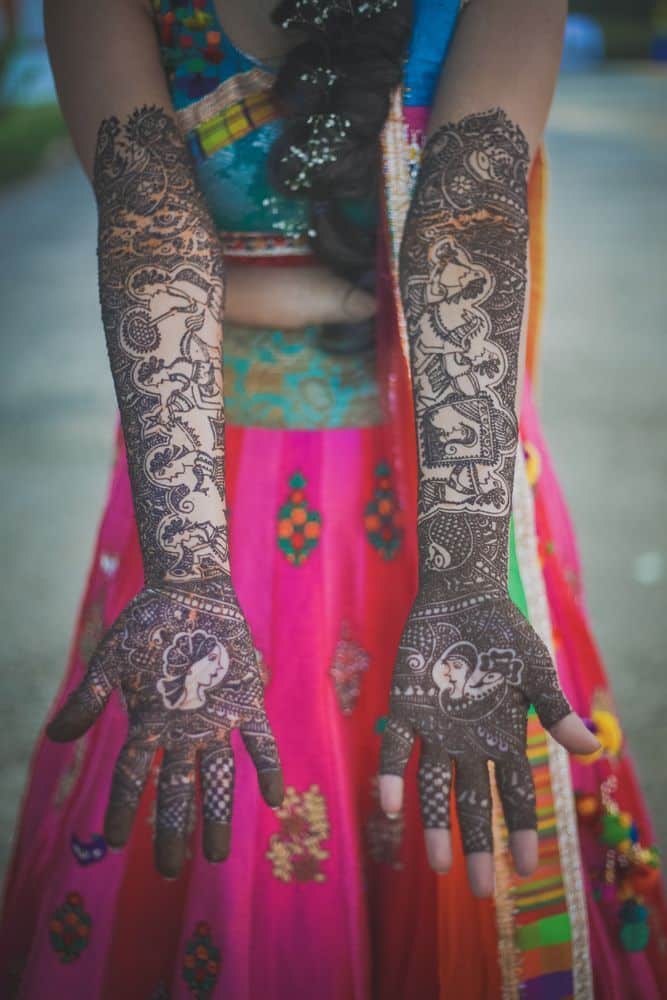
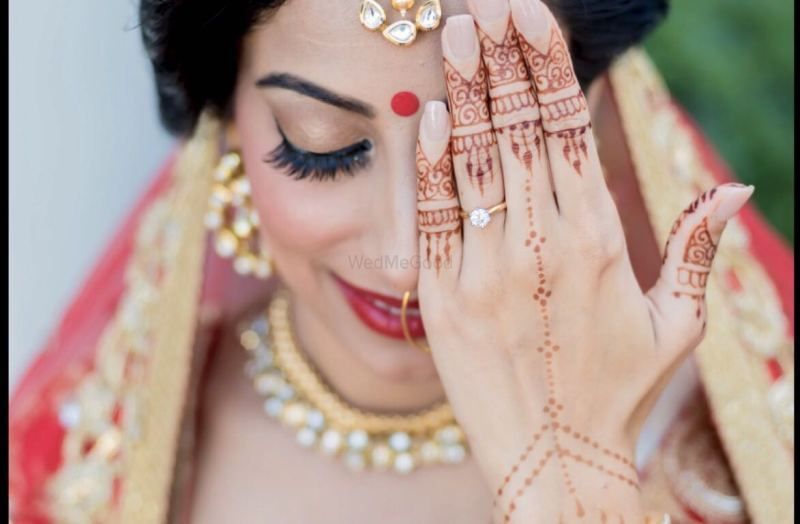
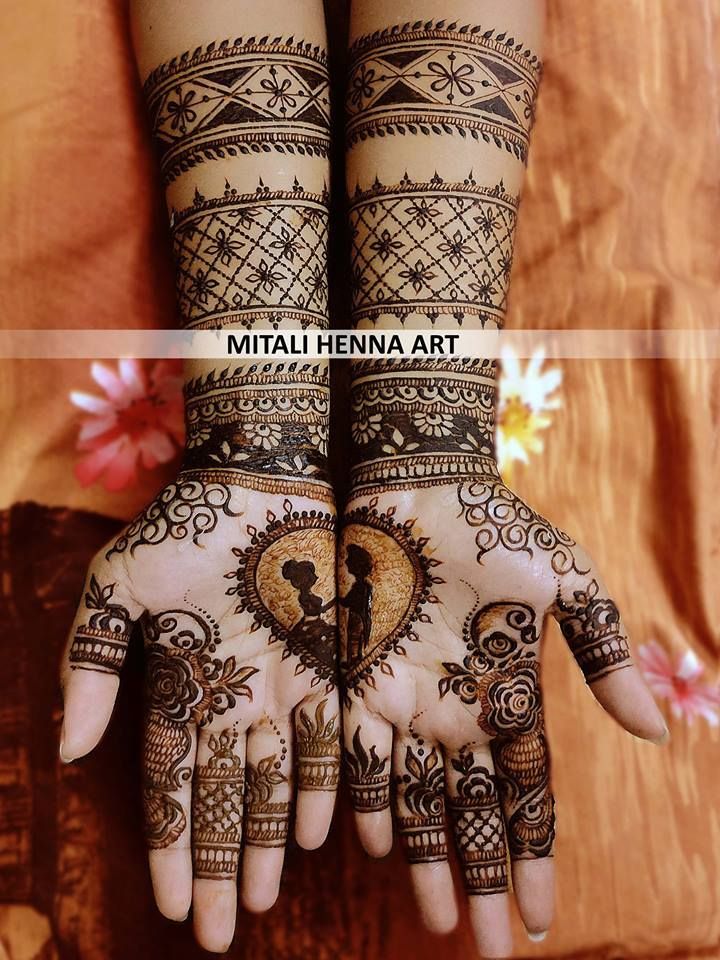
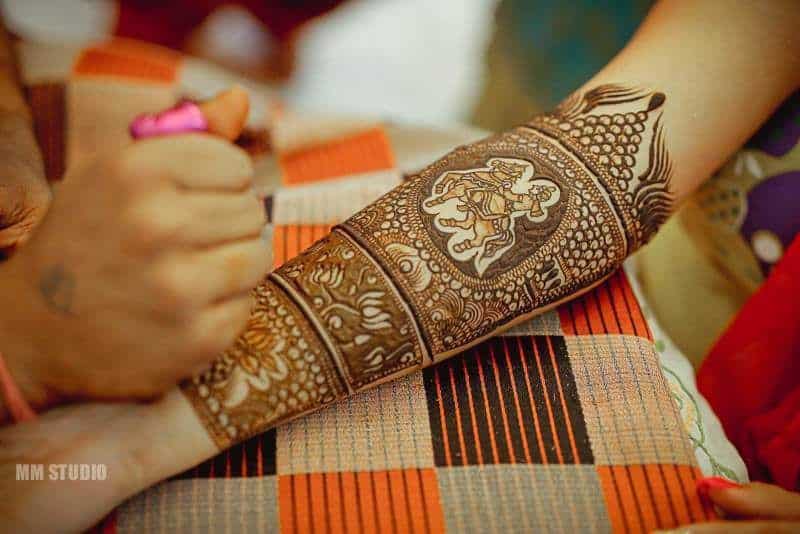
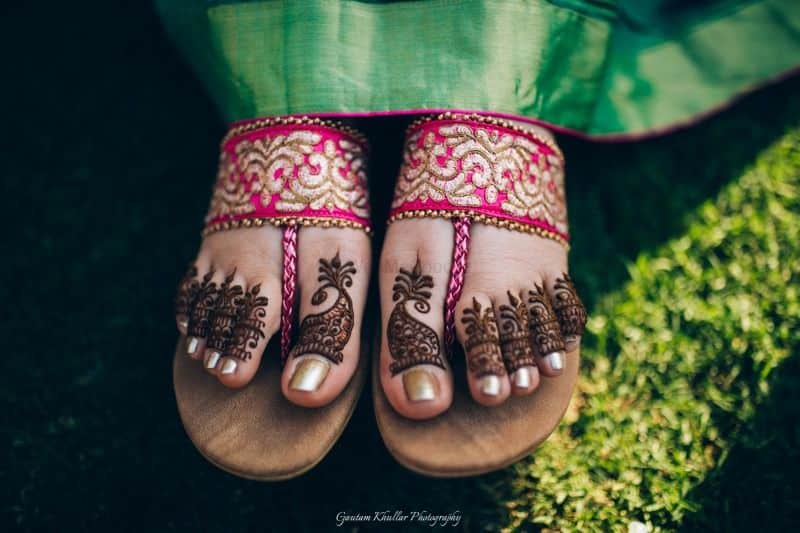
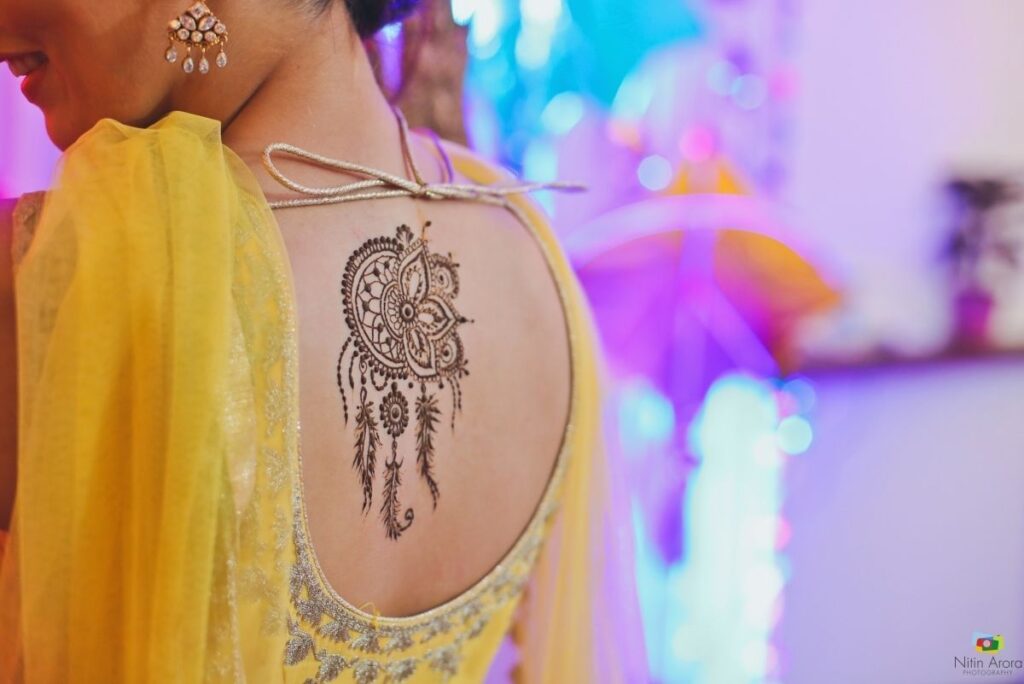
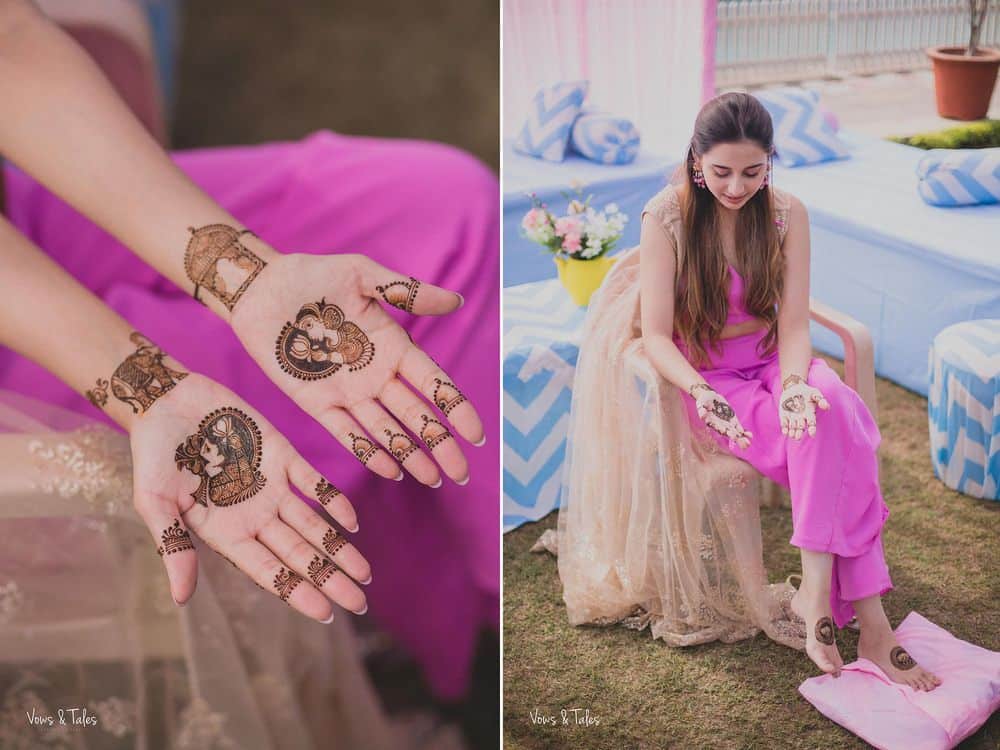
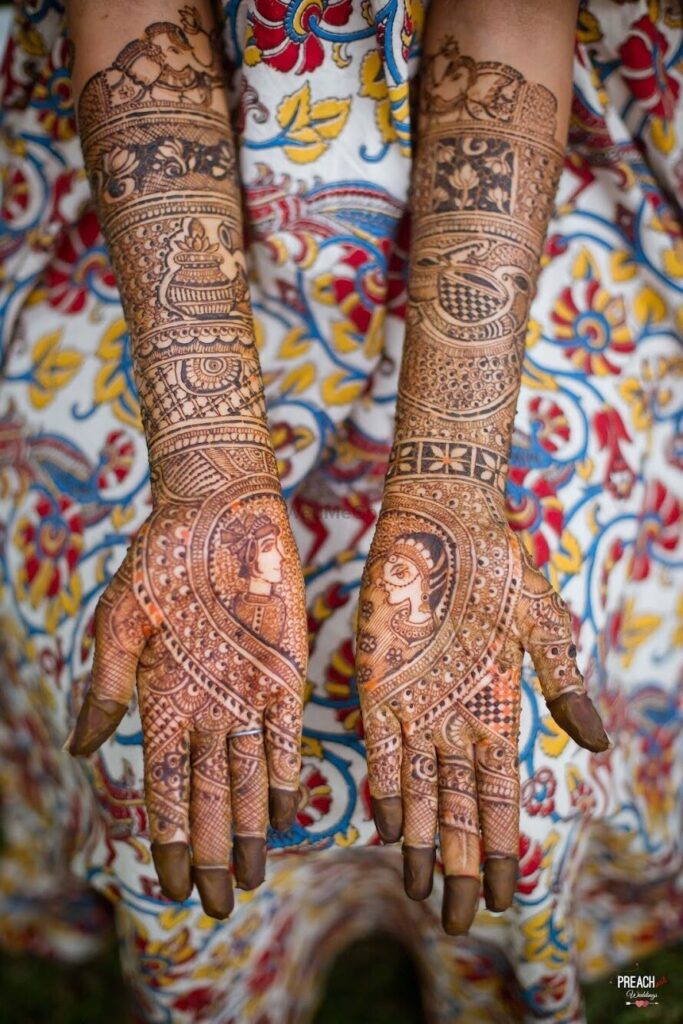
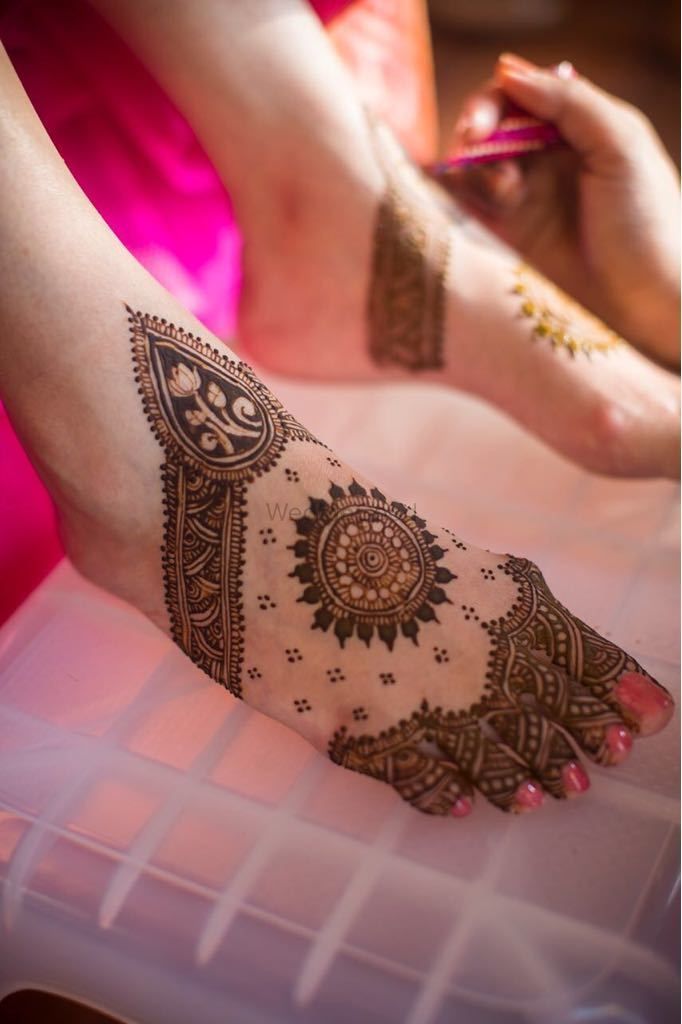
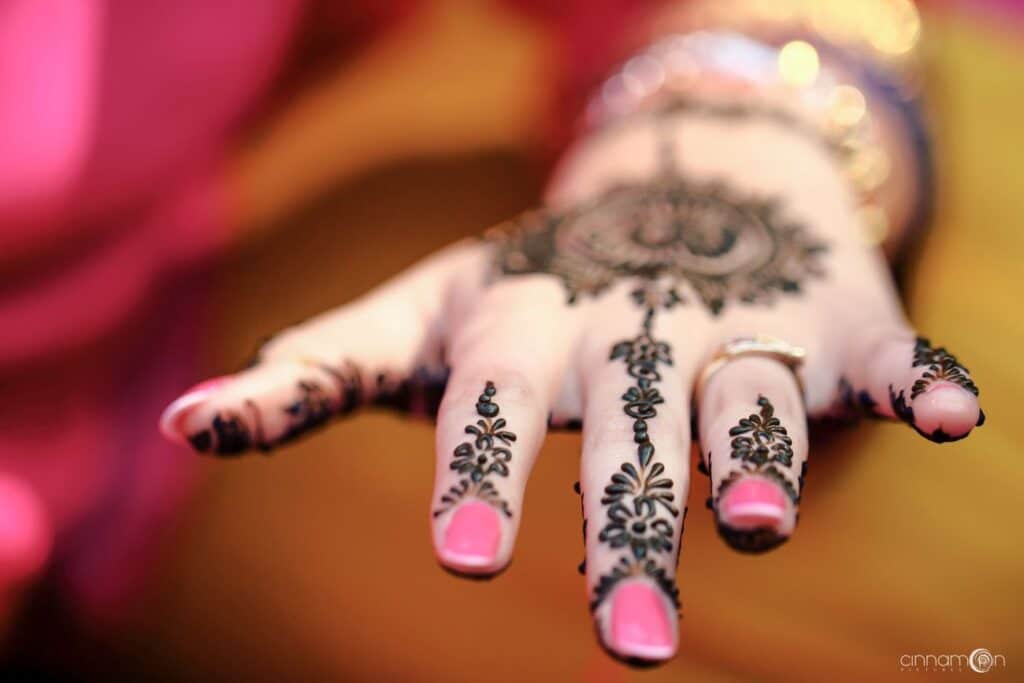
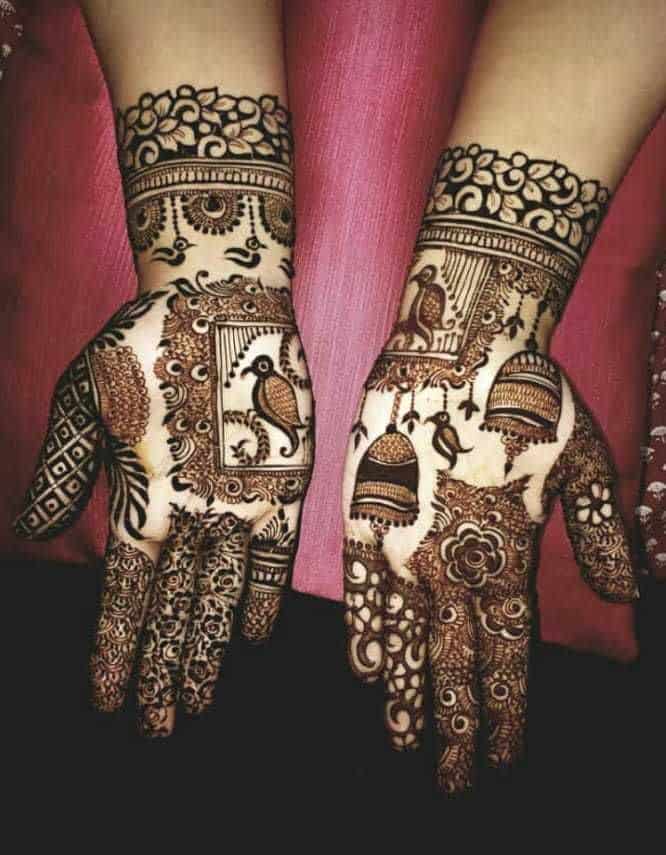
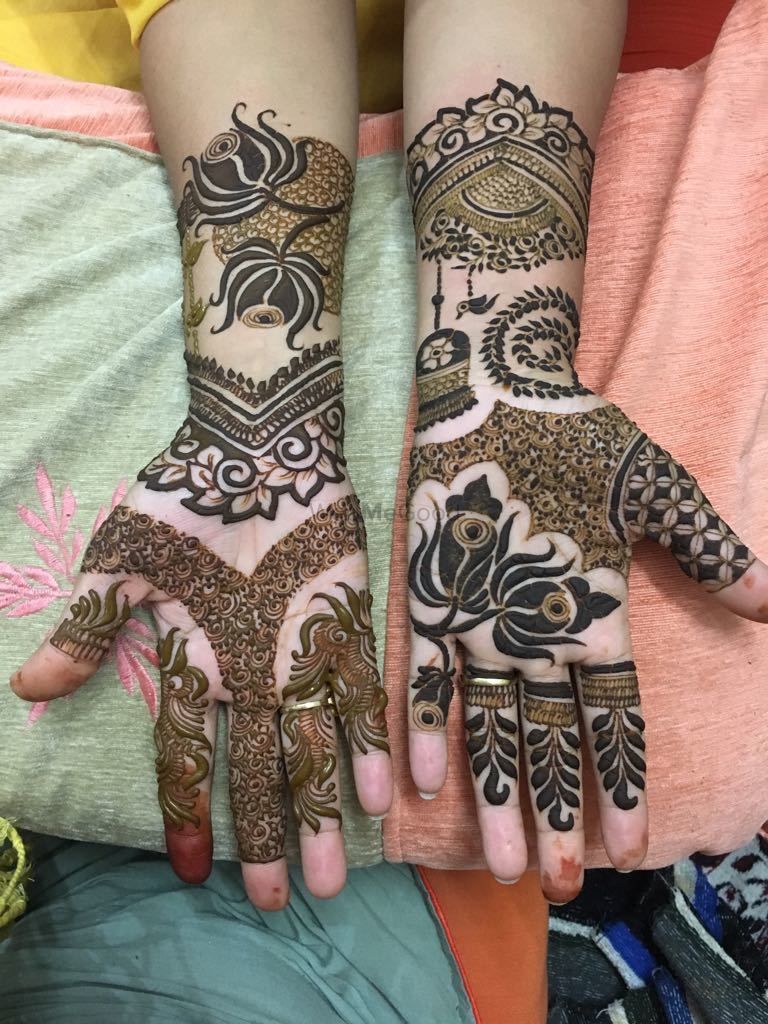
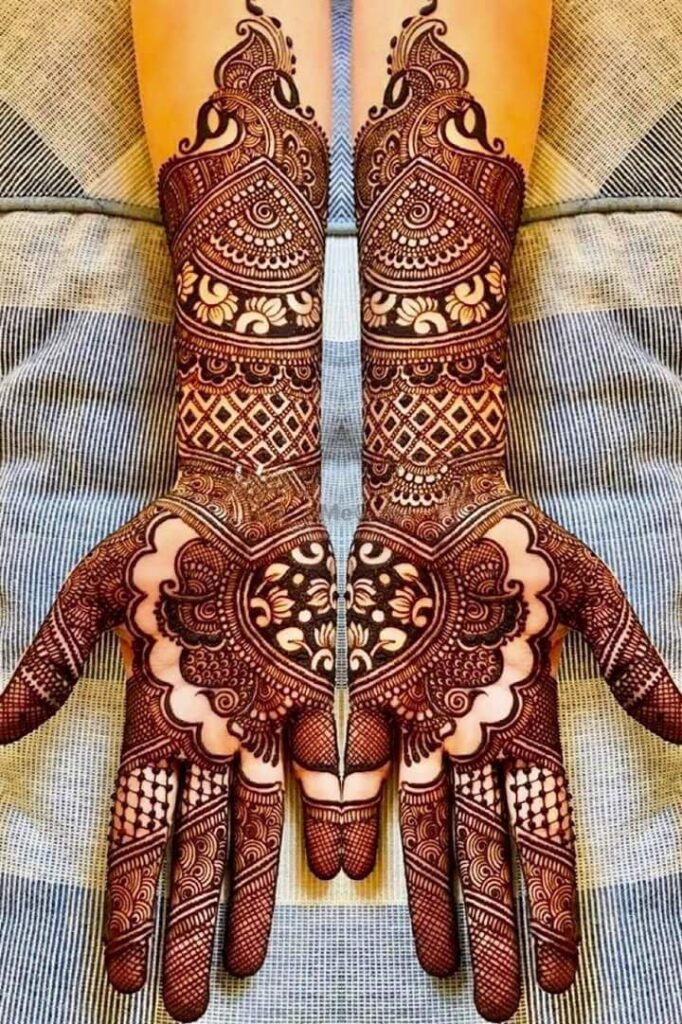
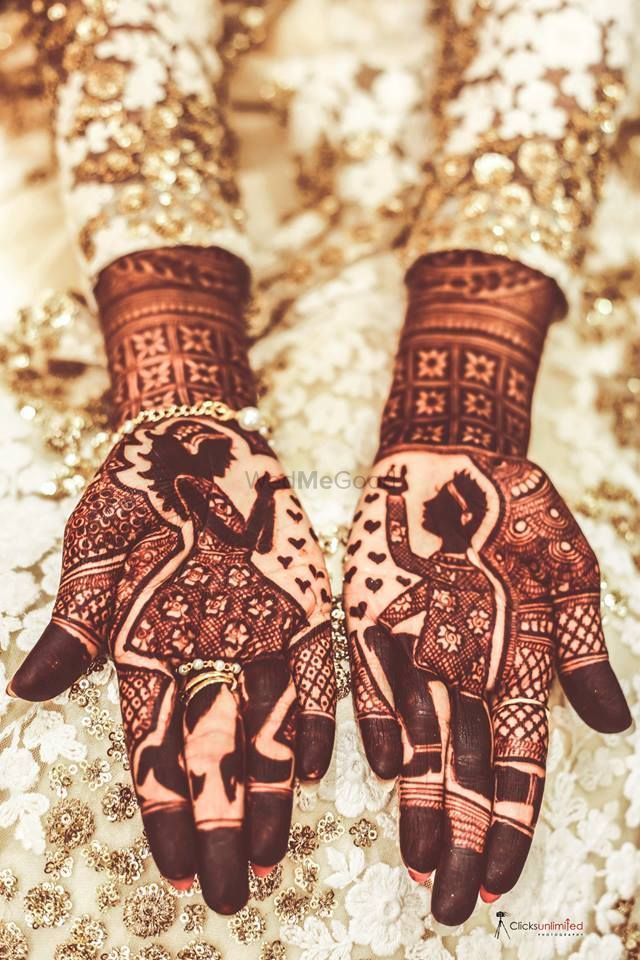
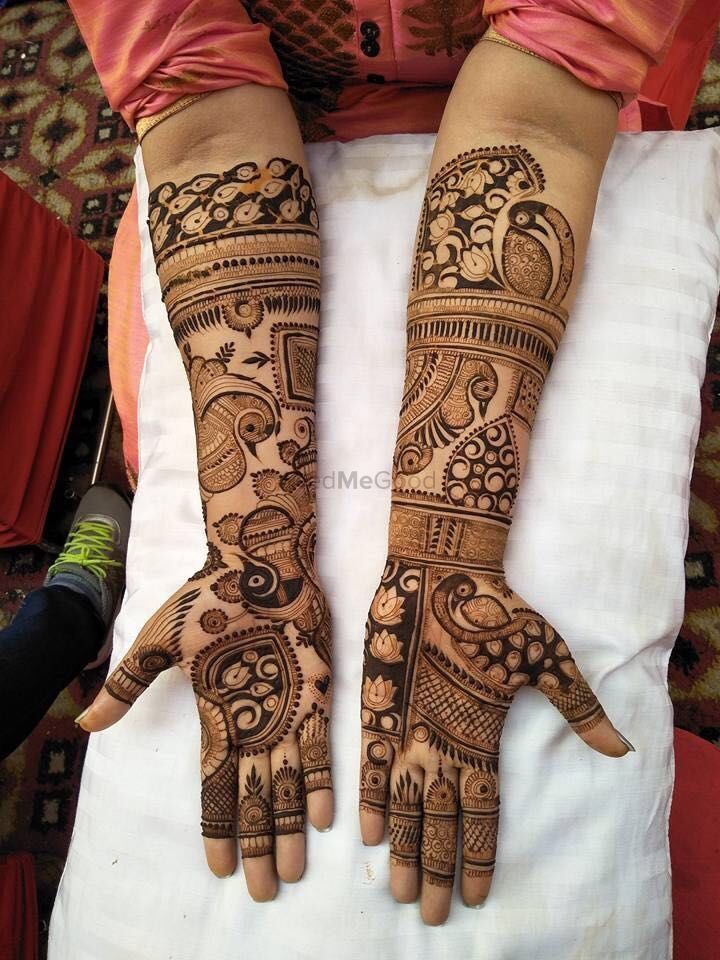
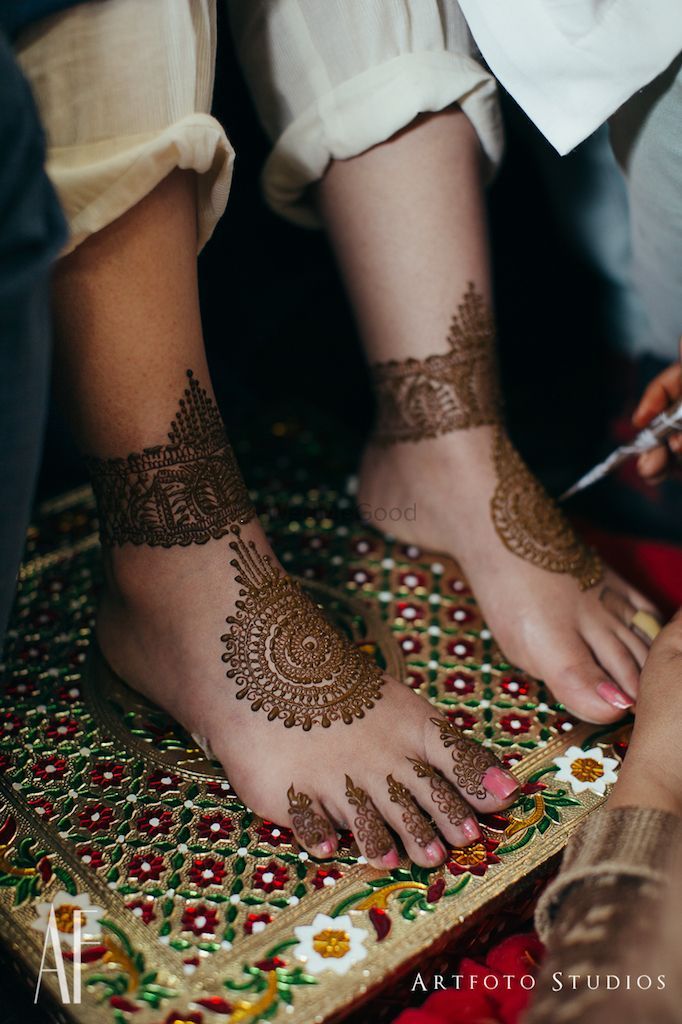
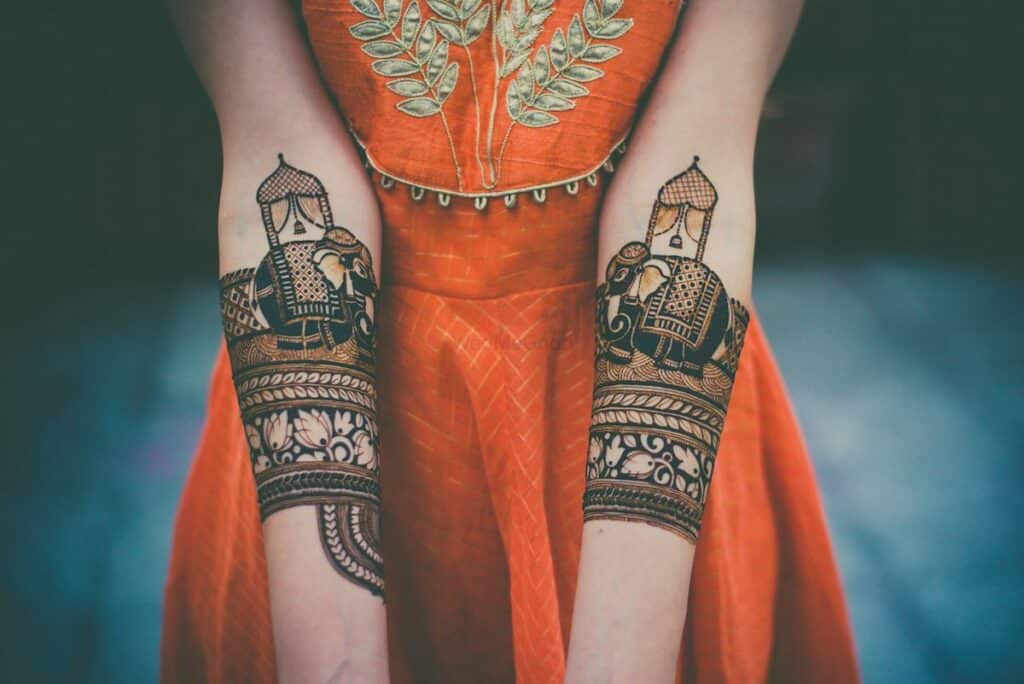
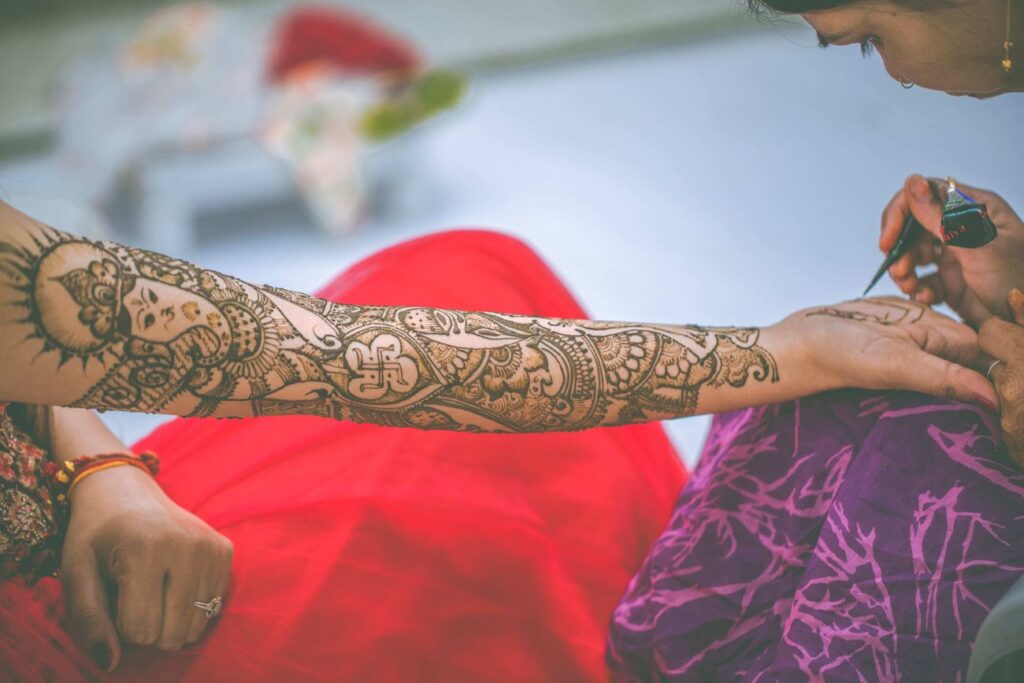
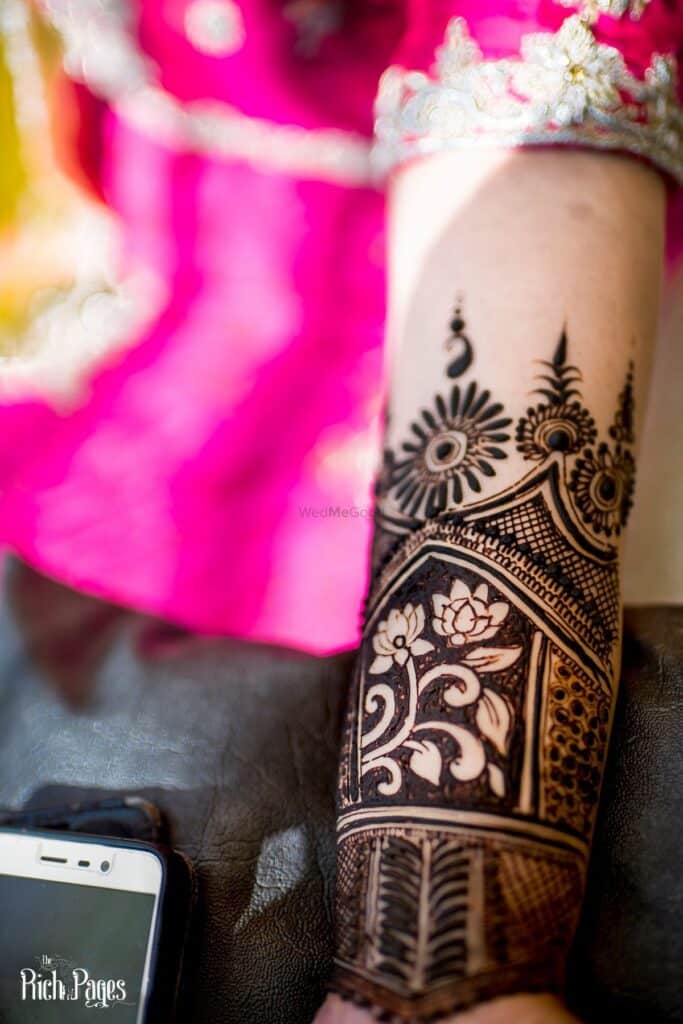
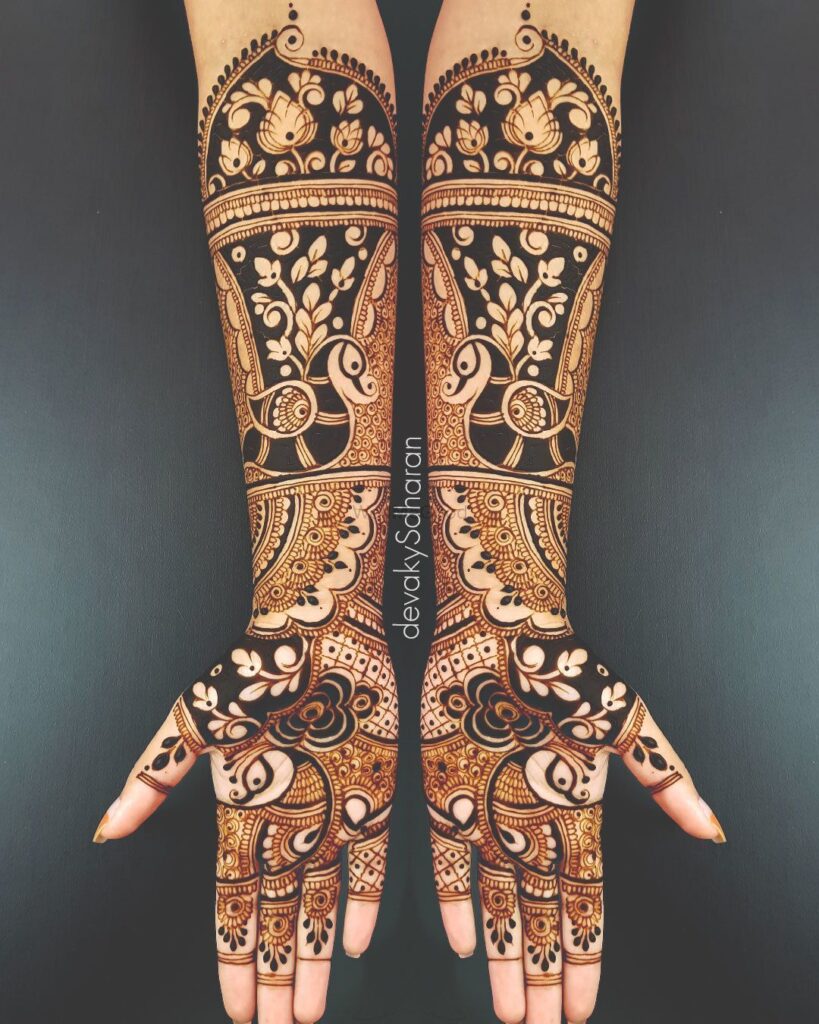
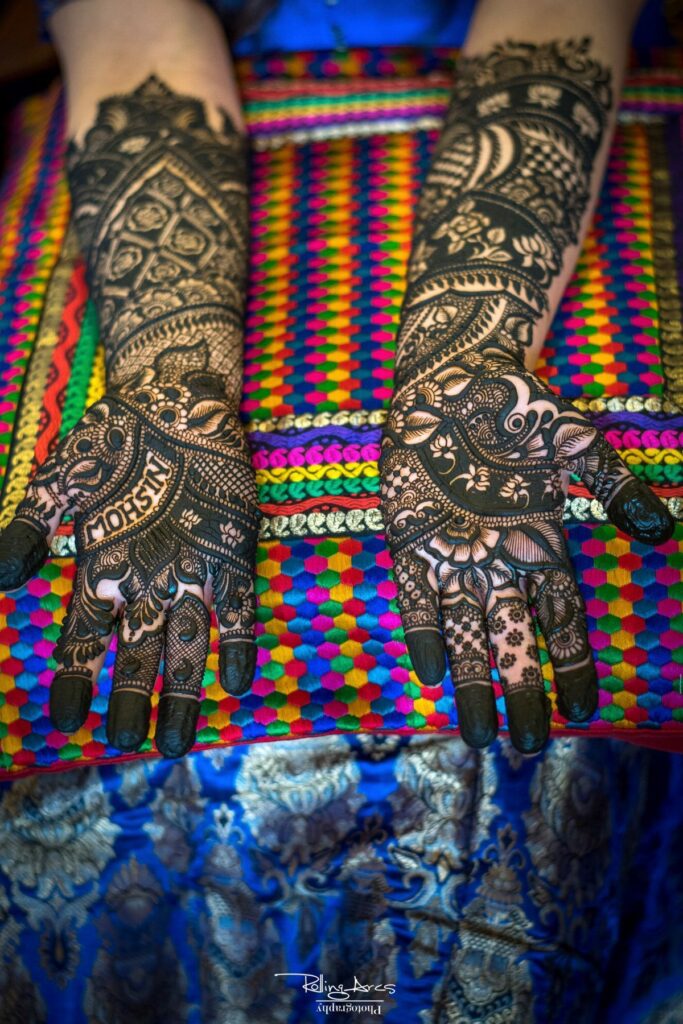
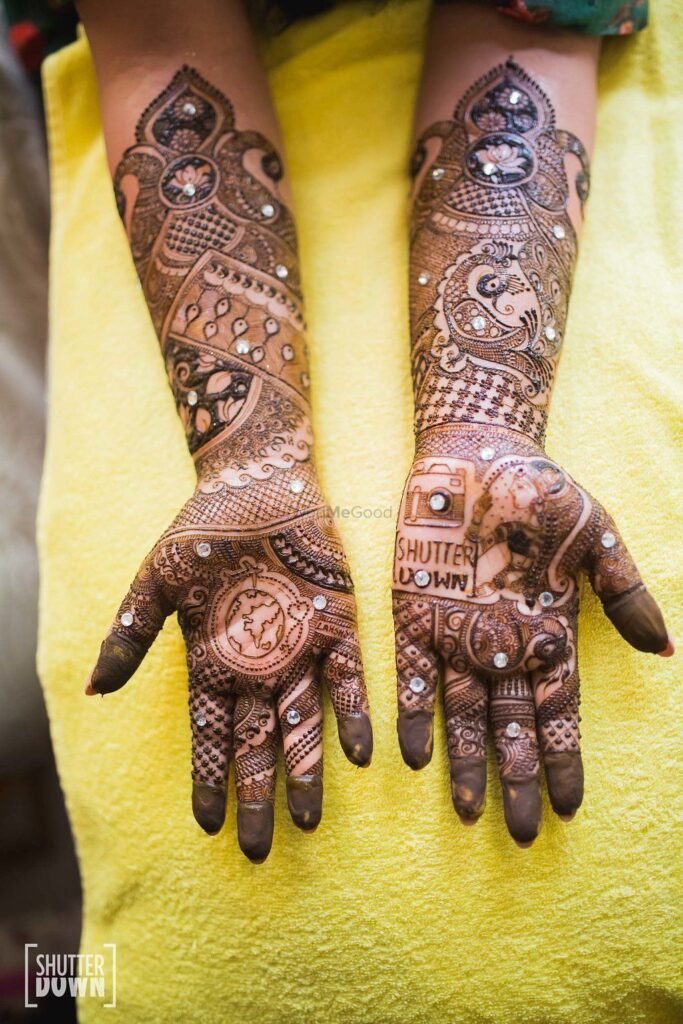
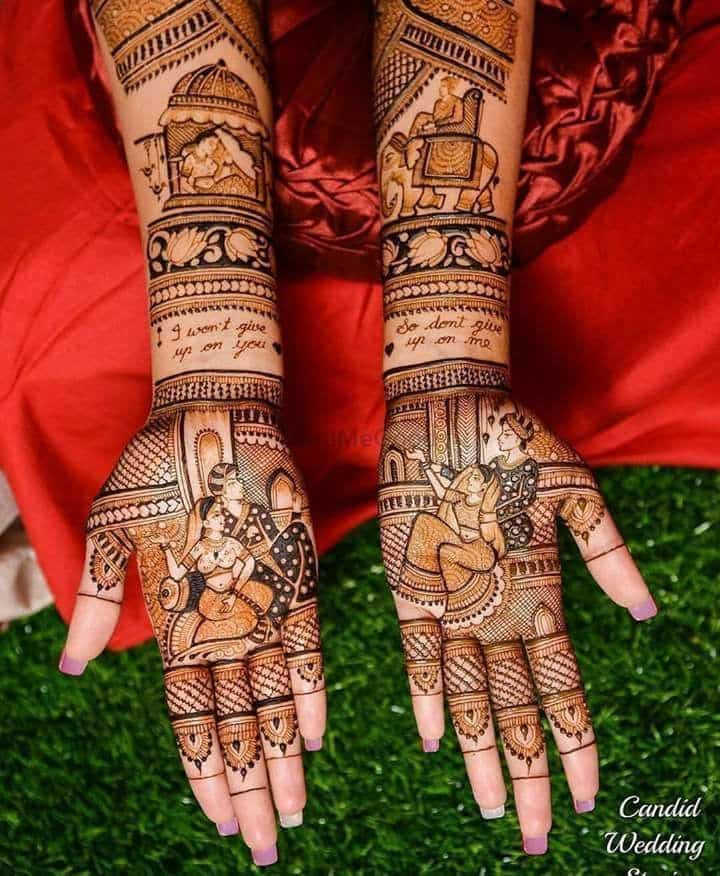
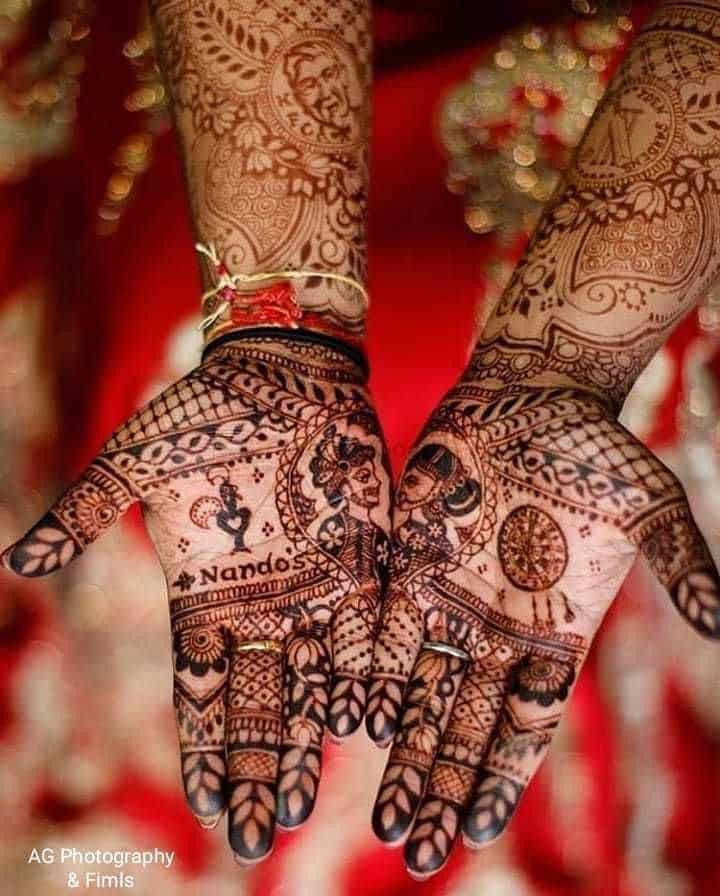
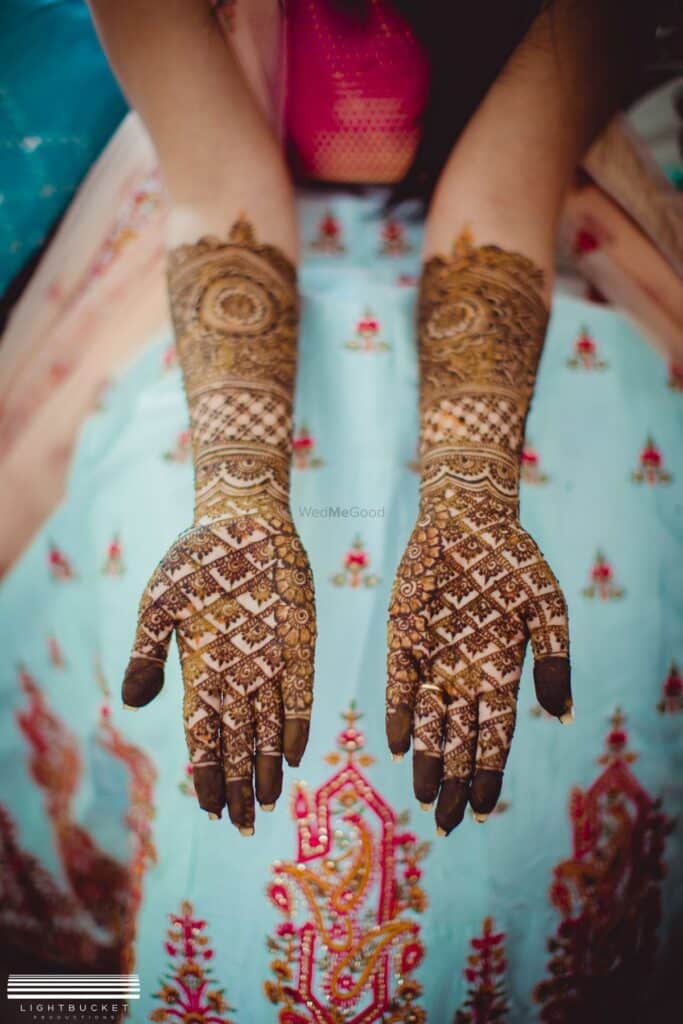
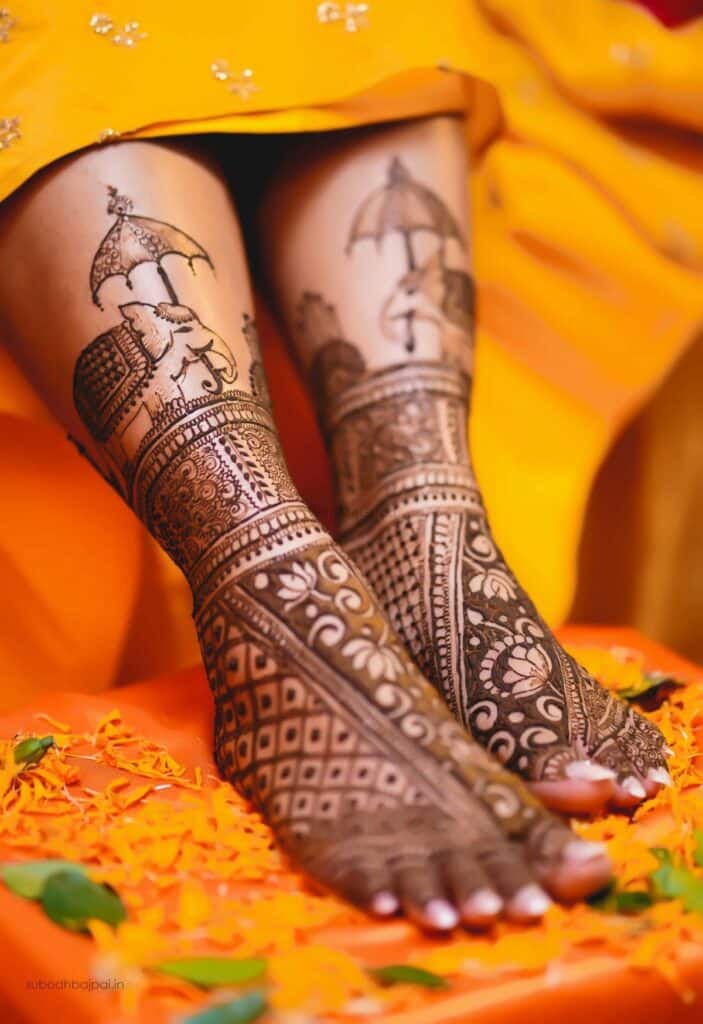
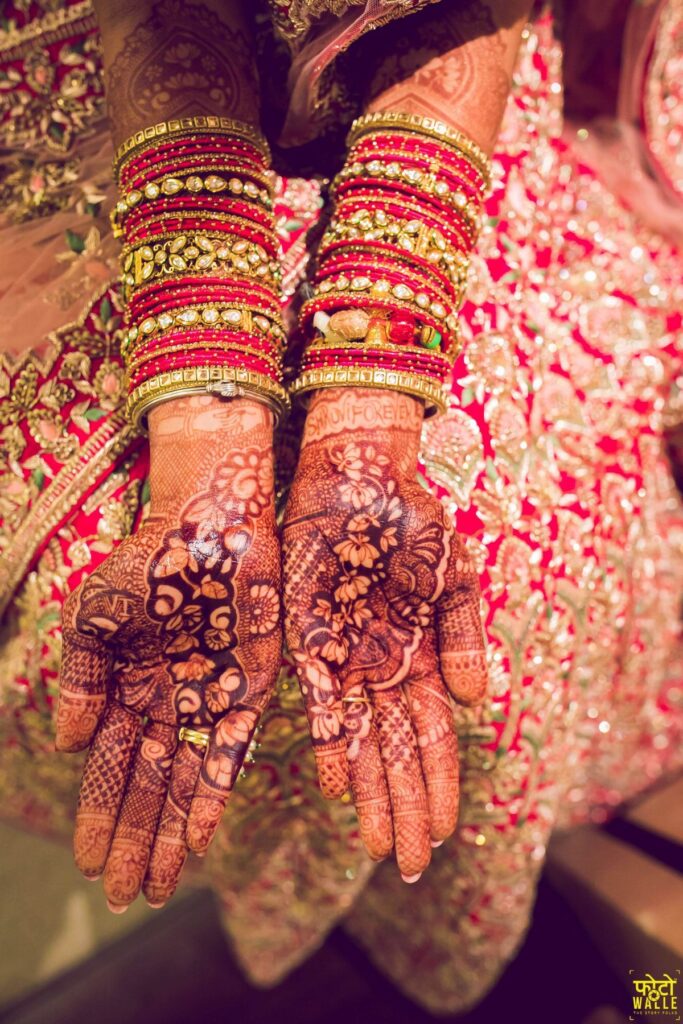
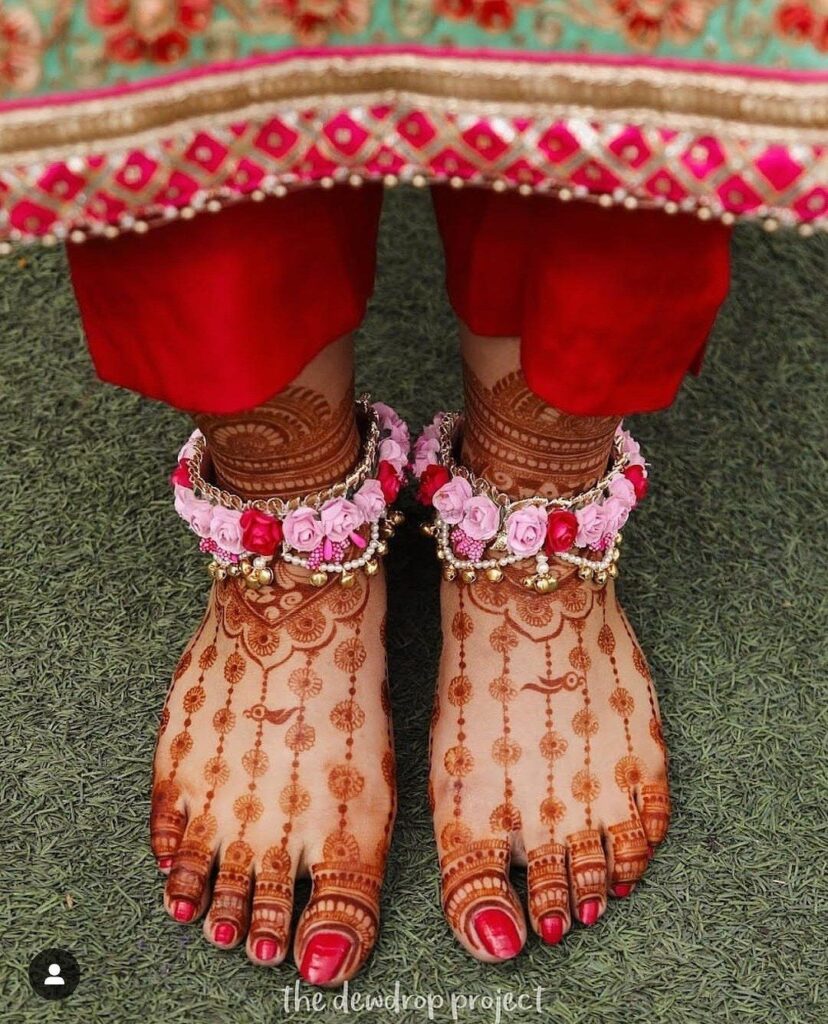
Top Trending Simple Mehndi Designs For The Bride-To-Be
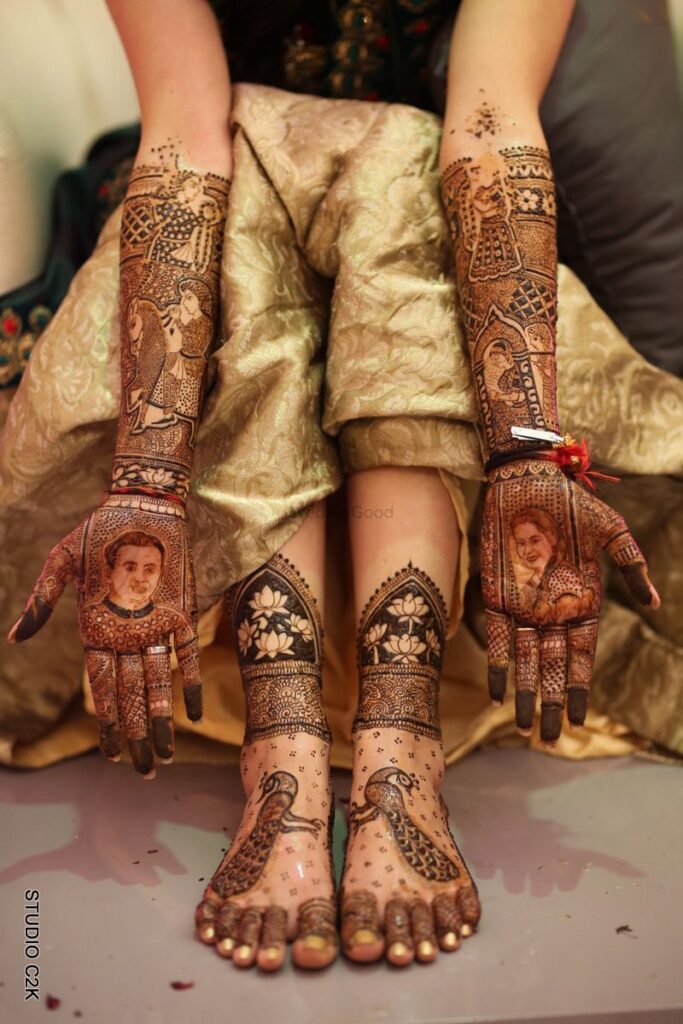
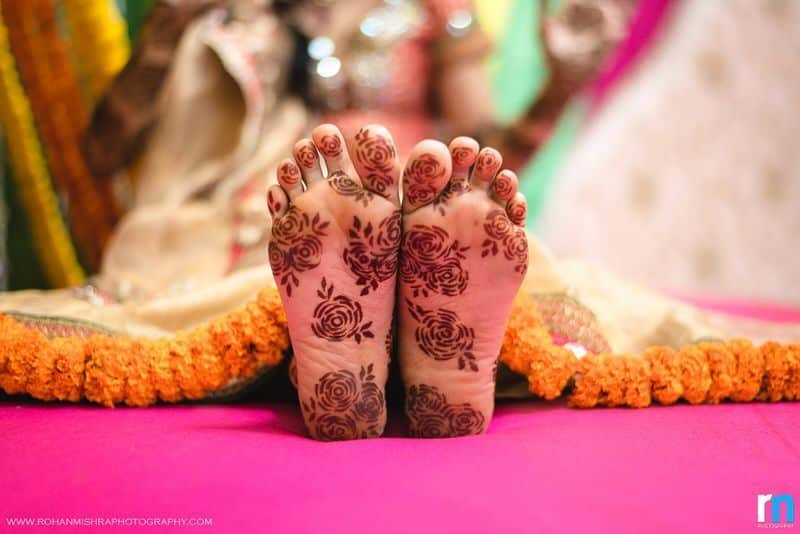
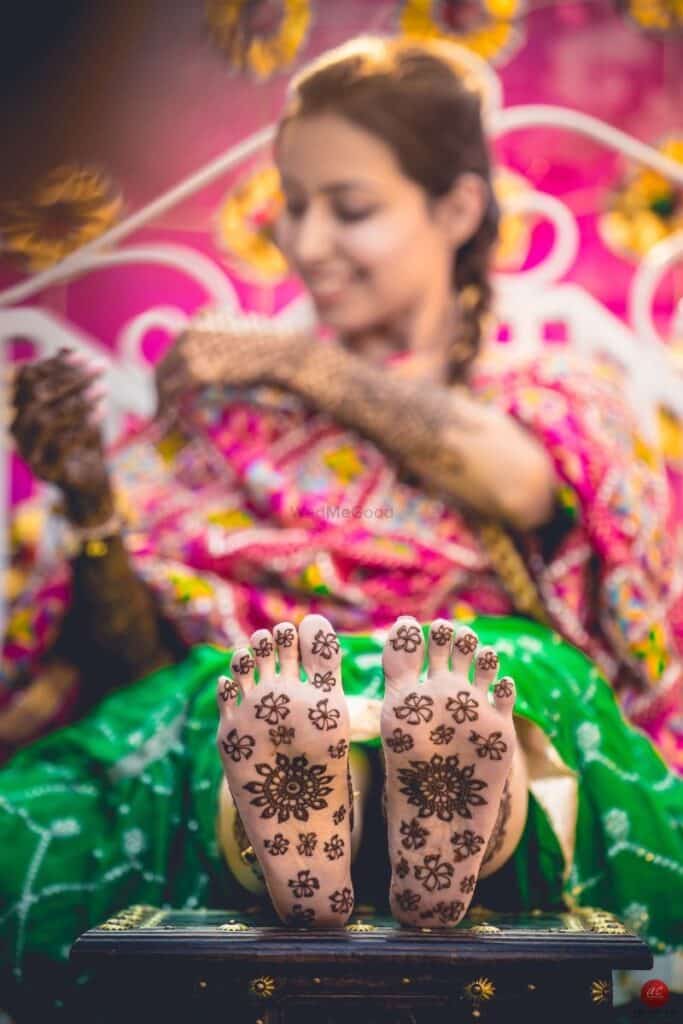
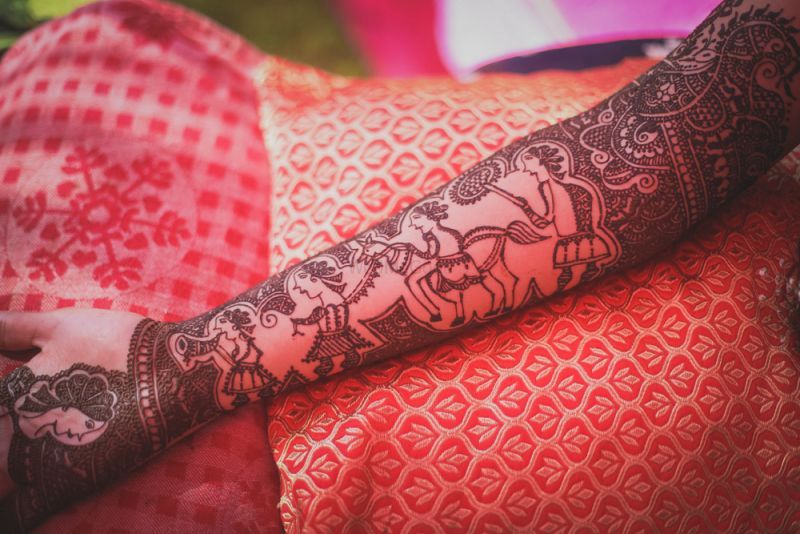

)